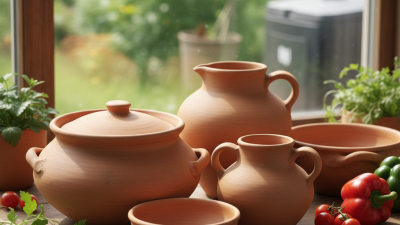
Why Choose Earthenware Pots for Your Gardening Needs? Discover the Benefits!
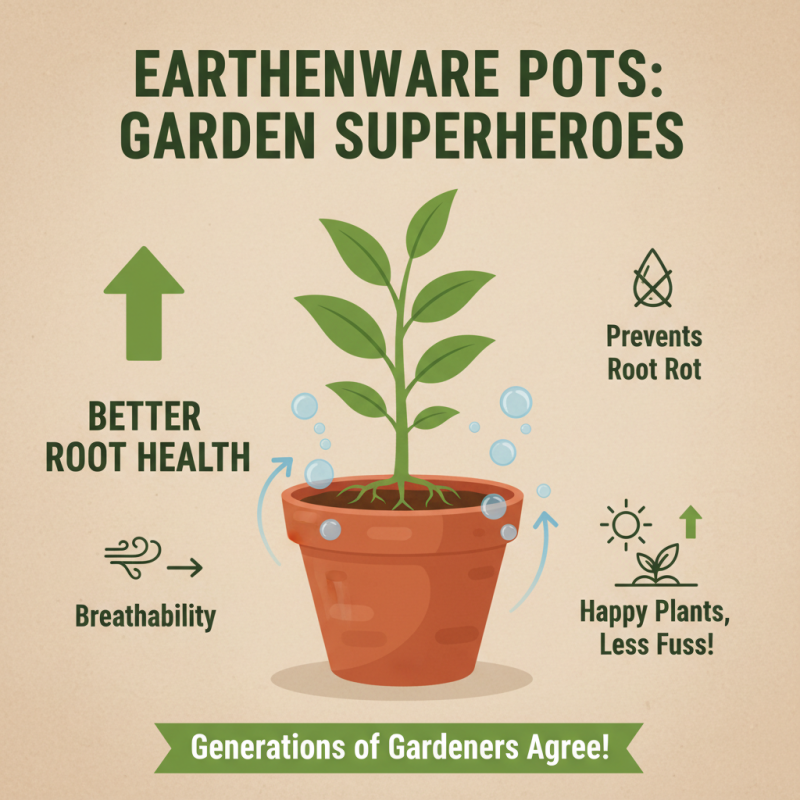
When considering the ideal containers for gardening, earthenware pots emerge as a favored choice among both novice and seasoned gardeners. Extolling the virtues of these traditional gardening vessels, horticultural expert Dr. Sarah Green once remarked, "Earthenware pots not only enhance the aesthetic appeal of your plants but also provide a breathability that is essential for root health." This fundamental characteristic enables plants to thrive by facilitating proper drainage and preventing overwatering, a common pitfall in contemporary gardening practices.
Moreover, earthenware pots are renowned for their natural properties, which contribute to maintaining consistent soil temperatures and moisture levels. The porous nature of the material allows for adequate air exchange, which is crucial for the growth of robust root systems. As gardeners become increasingly aware of the importance of sustainable practices, earthenware pots stand out as an eco-friendly option, making them a smart investment for those looking to cultivate gardens rigorously.
Ultimately, the choice of earthenware pots can lead to healthier plants and a more rewarding gardening experience. This article delves into the myriad benefits of adopting earthenware pots for your gardening needs, showcasing why they deserve a revered place in any gardener's toolkit.
Benefits of Earthenware Pots for Plant Growth and Health
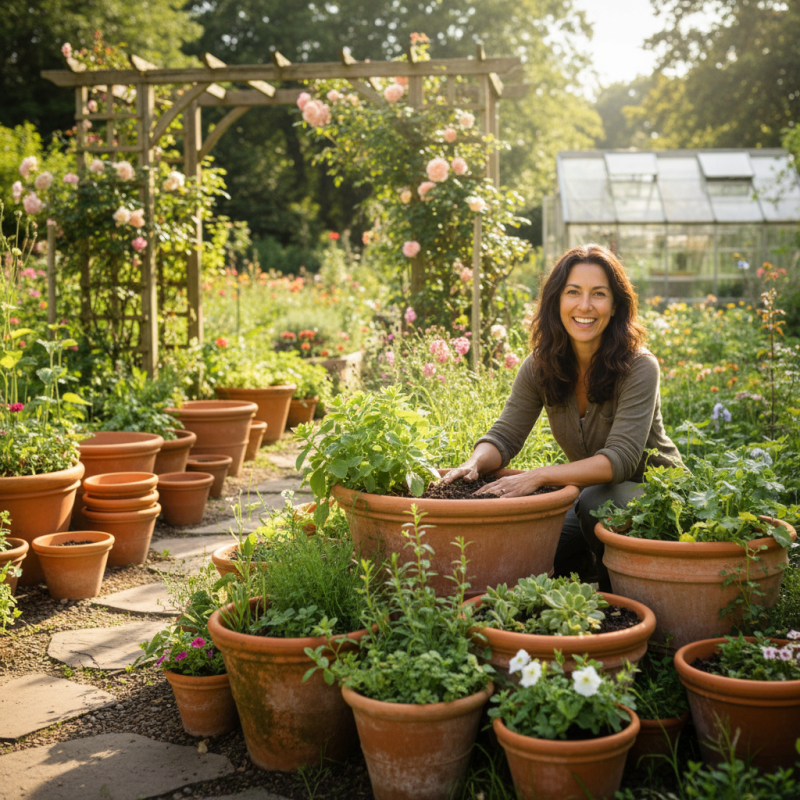
Earthenware pots have been cherished by gardeners for generations, and their benefits for plant growth and health are undeniable. One of the primary advantages of earthenware is its excellent breathability. The porous nature of the material allows air to circulate around the roots, promoting healthier growth by preventing root rot that can result from overly damp conditions. This feature is particularly beneficial for plants that thrive in well-draining soil, as it helps maintain the right moisture levels while discouraging water accumulation.
Additionally, earthenware pots provide superior thermal regulation. They can absorb heat during the day and release it gradually at night, creating a stable environment for plants. This characteristic is especially crucial for delicate seedlings or sensitive plants, as it helps protect them from extreme temperature fluctuations. Furthermore, the natural clay often nurtures beneficial microorganisms in the soil, contributing to a thriving ecosystem around plant roots, ultimately enhancing nutrient absorption and overall plant health. These attributes make earthenware pots a preferred choice for gardeners looking to cultivate robust, vibrant plants.
Comparative Analysis: Earthenware vs Plastic Pots
When it comes to choosing pots for gardening, earthenware and plastic pots each present unique advantages and drawbacks. A comparative analysis reveals that earthenware pots, made from natural clay, possess excellent breathability, which allows for better air circulation and moisture regulation in the soil. According to the American Society for Horticultural Science, this feature can significantly reduce the chances of root rot and promote healthier plant growth. The porosity of earthenware enables it to absorb excess moisture, making it an ideal choice for gardeners aiming to create a more balanced watering environment.
On the other hand, plastic pots are lightweight and often more affordable, which makes them a common choice for many gardeners. However, a report by the Horticultural Research Institute indicates that plastic pots can retain heat, potentially stressing delicate root systems in warmer climates. Additionally, while plastic is durable, it can lead to a buildup of salts from fertilizers due to poor drainage and aeration properties. Consequently, while plastic pots may be convenient, earthenware offers a natural, well-ventilated option that can enhance overall plant health, making it a compelling choice for gardening enthusiasts looking to optimize their plant care strategies.
Comparative Benefits of Earthenware vs Plastic Pots
Eco-Friendly Features of Earthenware in Gardening
Earthenware pots have become increasingly popular among gardeners not just for their aesthetic appeal, but also for their eco-friendly features. Made from natural clay, these pots are biodegradable and have a minimal environmental impact. Unlike plastic pots, which contribute to landfill waste, earthenware can be safely disposed of without harmful residues. Additionally, they allow for better airflow and drainage, creating a healthier environment for plants. This natural material regulates temperature and moisture effectively, promoting optimal growth conditions.
When incorporating earthenware pots into your gardening routine, consider these tips:
- Ensure proper drainage by selecting pots with drainage holes, as this prevents overwatering and root rot.
- Pair your earthenware with organic soil and fertilizers to maintain the eco-friendly theme and support your plants’ growth naturally.
- Avoid placing these pots in extreme temperatures, as they can crack.
By following these simple guidelines, you can enhance both the sustainability and beauty of your garden.
Using earthenware pots not only benefits your plants but also the environment. Their natural, recyclable properties make them an ideal choice for eco-conscious gardeners looking to reduce their ecological footprint while enjoying the beauty and functionality that these classic pots bring.
Aesthetic Appeal: Enhancing Your Garden with Earthenware
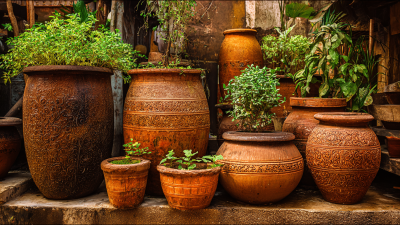
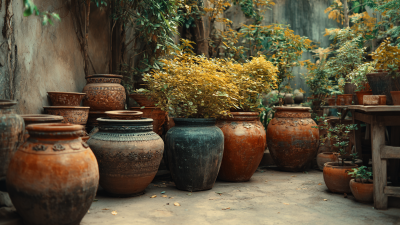
Earthenware pots are a popular choice among gardeners not just for their practicality but also for their unique aesthetic appeal. Made from natural clay, these pots come in various shapes and sizes, often featuring earthy tones that complement the vibrant colors of plants. According to the National Gardening Association, about 90% of gardeners consider the visual impact of their pots when designing their gardens. The rustic charm of earthenware can enhance any outdoor space, providing a seamless blend between the plants and the environment.
In addition to their visual advantages, earthenware pots promote healthy plant growth thanks to their breathability. Their porous nature allows for better air circulation and helps regulate moisture levels, which are crucial for root health. A study published in the Journal of Horticulture indicated that plants grown in earthenware pots showed a 25% increase in root development compared to those in plastic containers. This means that choosing these pots not only elevates the look of your garden but also supports healthier plants.
**Tips:** When selecting earthenware pots, look for those with a glazed interior to prevent excessive moisture loss, ensuring your plants thrive. Additionally, consider varying pot sizes and colors to create visual interest in your garden layout. Finally, grouping pots together can make a striking design statement while optimizing space and creating an inviting atmosphere.
Care and Maintenance Tips for Earthenware Pots in Your Garden
When incorporating earthenware pots into your garden, proper care and maintenance are essential to ensure their longevity and effectiveness. These pots are not just aesthetically pleasing; they offer excellent breathability for the roots of your plants. However, to keep them in optimal condition, it is crucial to know how to maintain them.
One important tip is to always inspect your pots for cracks or chips before planting. Even small imperfections can lead to water leakage and hinder your plants' hydration needs. Additionally, consider applying a sealant to the interior of the pot to provide extra protection against moisture loss and prevent soil from seeping out. This simple task can significantly enhance the durability of your earthenware pots.
Cleaning is another key aspect of maintenance. After each growing season, it's advisable to wash your pots with mild soap and warm water to remove any salt deposits or algae buildup. Avoid using harsh chemicals, as they can damage the earthenware surface. Once cleaned, allow your pots to air dry completely before storing them. These straightforward steps will help your earthenware pots remain in great shape for years to come, ensuring your plants thrive in a healthy environment.
Why Choose Earthenware Pots for Your Gardening Needs? Discover the Benefits!
| Benefit |
Description |
Care & Maintenance Tips |
| Breathability |
Earthenware pots allow air and moisture to reach the roots, promoting healthy growth. |
Avoid overwatering, as excess moisture can lead to root rot. |
| Natural Aesthetics |
They add a rustic and natural look to your garden decor. |
Regularly clean to maintain their beauty; avoid harsh chemicals. |
| Temperature Regulation |
Clay helps regulate temperature, keeping roots cool in summer and warm in winter. |
Position pots to avoid extreme cold exposure; use mulch for extra insulation. |
| Eco-Friendly |
Made from natural materials, they are biodegradable and environmentally friendly. |
Recycle old pots or use them for garden art to minimize waste. |
| Variety of Styles |
Available in various shapes, sizes, and colors to suit different preferences. |
Choose pots that match the aesthetics of your garden layout for visual coherence. |