How to Choose Oven Safe Plates for Every Cooking Need?
Choosing the right oven safe plates can significantly enhance your cooking experience. These plates come in various materials, sizes, and shapes. Understanding your cooking needs is essential. Oven safe plates must withstand high temperatures while ensuring food safety.
When selecting oven safe plates, consider their durability and heat resistance. Materials like ceramic, glass, and certain metals perform well. Each type has unique advantages and potential drawbacks. For example, glass plates can break under extreme temperature changes. On the other hand, ceramic may chip if mishandled.
Think about how you cook. Do you bake, roast, or broil? Your choice of oven safe plates should reflect these methods. Additionally, check for labels indicating oven safety. This information can prevent kitchen accidents. Ultimately, investing in quality oven safe plates is worthwhile. They enhance flavor and presentation while providing peace of mind. Explore different options to find the best fit for your culinary adventures.
How to Identify the Material Composition of Oven Safe Plates
When selecting oven-safe plates, understanding the material composition is vital. Common materials like ceramic, glass, and metal have distinct properties. Ceramic plates, for instance, are often preferred for their heat retention and aesthetic appeal. However, not all ceramics are created equal. Some may contain lead or other hazardous materials, which can leach into food. According to the U.S. Food and Drug Administration (FDA), it is crucial to check for labels indicating they are lead-free and oven-safe.
Glass plates are another popular option. They can withstand high temperatures but may shatter under rapid temperature changes. The American Society for Testing and Materials (ASTM) outlines standards for oven-safe glass, emphasizing the importance of tempered varieties. These are designed to handle extreme heat and can be used confidently in various cooking methods.
Metal options, such as stainless steel or cast iron, are durable and provide excellent heat conduction. However, not all metals are suitable for oven use. It is essential to verify that any metal plate is labeled oven-safe. Some may have non-stick coatings that can degrade at high temperatures, leading to potential health risks. Awareness of these details helps ensure safe cooking practices.
Oven Safe Plates Material Composition
Understanding Temperature Ratings for Oven Safe Cookware
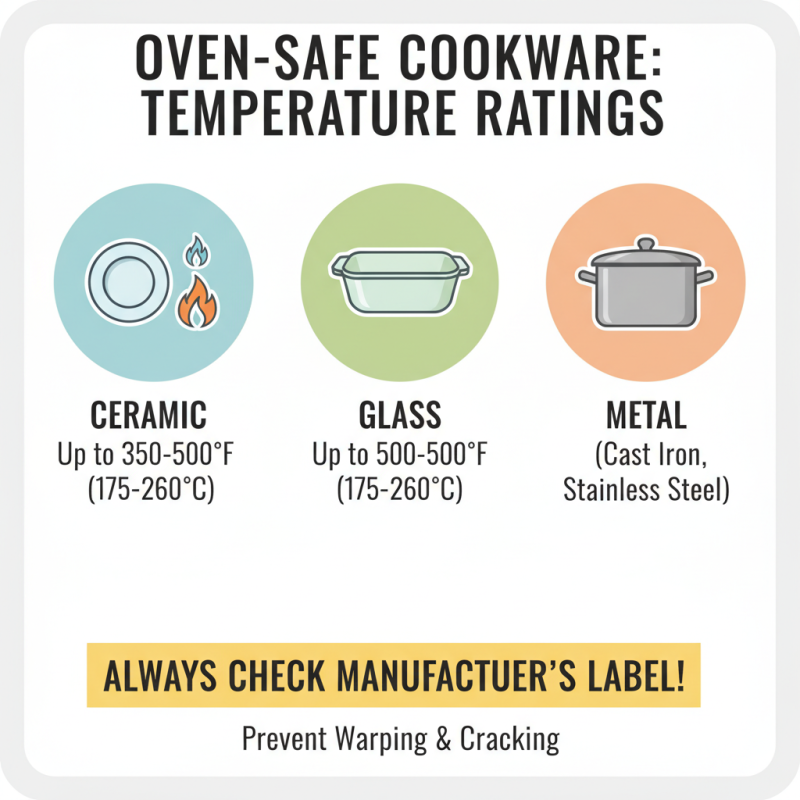
Choosing the right oven-safe plates starts with understanding temperature ratings. Each plate has a maximum temperature it can withstand without warping or cracking. It's essential to check these labels before using them in your oven. Ceramic, glass, and metal dishes each come with different ratings. For example, most glass cookware can safely withstand temperatures up to 500°F.
Not all oven-safe plates are equal. Some materials can handle high heat better than others. Stoneware often comes with lower ratings, usually around 400°F. When in doubt, look for guidance on the package. Manufacturers usually provide detailed ratings. Additionally, gradual temperature changes can affect the longevity of your plates. Rapid shifts from cold to hot may lead to breakage, even if the plate is rated for high temperatures.
Consider how you'll use your plates. Baking cakes requires different properties than roasting a chicken. Ensure that the type you choose aligns with your cooking needs. If you frequently cook at high heat, prioritize plates with a higher temperature rating. Reflect on past experiences to inform your decisions. You've likely encountered plates that just didn’t hold up. Learning from these moments can lead to better choices in the future.
Evaluating Durability and Heat Distribution in Cooking Plates
When choosing oven-safe plates, durability is crucial. Look for materials that can withstand high temperatures without breaking. Stoneware and certain glass options often offer excellent durability. However, they require careful handling. A small crack can lead to a disaster in the oven. Make sure to inspect plates regularly. Even minor imperfections can affect their longevity.
Heat distribution is another key factor. Uneven heat can result in undercooked or burnt food. Ceramic and porcelain dishes usually provide better heat distribution. They ensure that your meals cook uniformly. However, some metal options may heat up too quickly. This can lead to hot spots and uneven cooking. Check specifications to understand how the material behaves when heated.
Consider your cooking style. If you often make casseroles or roasts, larger and deeper plates work well. For baking, flatter dishes may be preferable. Always keep ventilation in mind. Plates that trap steam may ruin your dish. Avoid assumptions; not all plates perform equally in an oven. Testing various types can lead to better cooking outcomes. Reflect on your cooking experiences to refine your choices.
Recognizing Safety Standards and Certifications for Oven Use
When selecting oven-safe plates, recognizing safety standards is crucial. Plates must endure high temperatures without breaking. Look for labels indicating they are oven-safe, as this ensures they can handle the heat, typically up to 500°F.
Materials vary significantly. Glass and ceramics generally perform well, but some may shatter if heated too quickly. Check for quality certifications like ASTM or ISO. These badges confirm the manufacturer has met stringent safety tests.
Consider the thickness of the plate. Thicker materials usually withstand heat better than thinner options. A crack could lead to potential hazards. Relying on visual inspections helps, but it’s also important to be aware of subtle flaws, which can compromise safety.
How to Choose Oven Safe Plates for Every Cooking Need?
| Plate Material |
Max Temperature (°F) |
Oven Safe Certification |
Microwave Safe |
Ideal Use |
| Ceramic |
500 |
Yes |
Yes |
Baking and Roasting |
| Glass |
425 |
Yes |
Yes |
Casseroles and Gratin |
| Stoneware |
450 |
Yes |
Yes |
Slow Cooking and Baking |
| Porcelain |
450 |
Yes |
Yes |
Serving and Baking |
| Metal |
600 |
Yes |
No |
Baking and Broiling |
Comparing Cost-Effectiveness of Various Oven Safe Plate Options
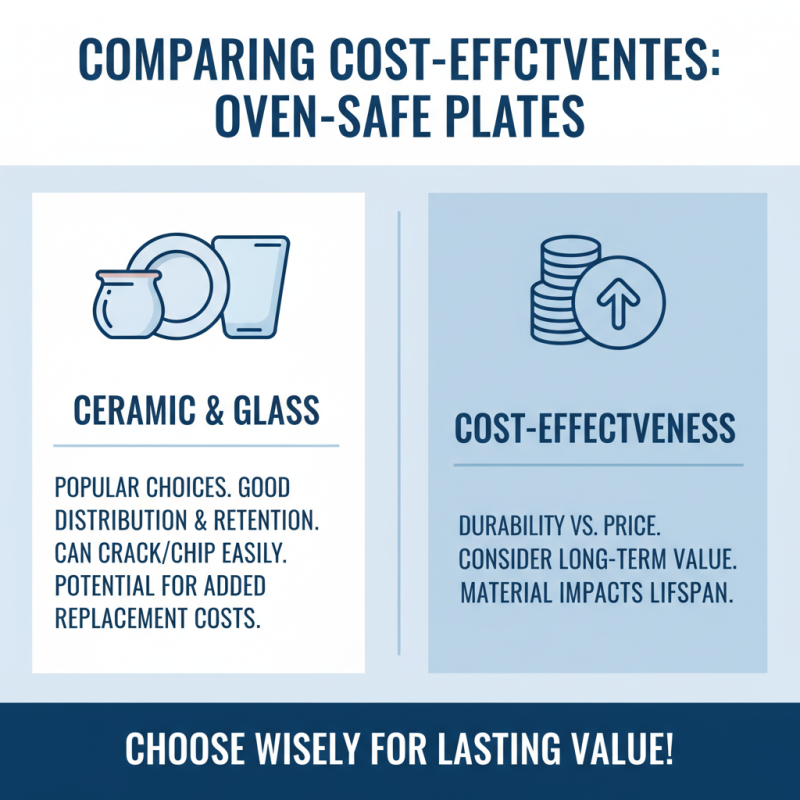
When selecting oven-safe plates, understand the cost-effectiveness of available options. Various materials impact durability and price. Ceramic and glass are popular choices. They offer good heat distribution and retain heat well. However, they can crack or chip if mishandled. This can lead to additional costs over time.
Stainless steel plates provide excellent longevity. They resist staining and are less likely to break. Yet, they often come with a higher price tag. You might consider if the upfront cost justifies the potential longevity. Plastic options are lighter and inexpensive. Still, they have lower heat resistance and may warp in high temperatures.
Evaluate your cooking needs when choosing plates. If you frequently use the oven, investing in more durable choices is often wiser. If you occasionally bake, cheaper options may satisfy your needs. Reflect on how often you'll use these plates. Making an informed choice can mean the difference in both cost and cooking satisfaction.