How to Choose the Perfect Dining Ware Set for Your Home
Choosing the perfect dining ware set for your home is an art that combines aesthetics, functionality, and personal taste. Renowned interior designer and dining aesthetics expert, Chef Amanda Grant, emphasizes the importance of this selection process, stating, "Your dining ware set is not just about serving food; it’s about creating an experience that brings people together." This insight highlights that selecting the right dining ware can elevate any meal, turning everyday dining into special occasions.
When considering a dining ware set, it's essential to think about the material, design, and usage frequency. Different materials such as porcelain, stoneware, or melamine offer unique benefits and challenges; finding the balance between durability and style is key. Additionally, the design should reflect your personal style while remaining versatile enough for various occasions, from casual breakfasts to formal dinners.
Ultimately, the dining ware set you choose can influence the mood of your dining experience and the memories created around the table. By thoughtfully curating a collection that resonates with you and serves your practical needs, you transform mere dining into an art form.

Factors to Consider When Choosing a Dining Ware Set
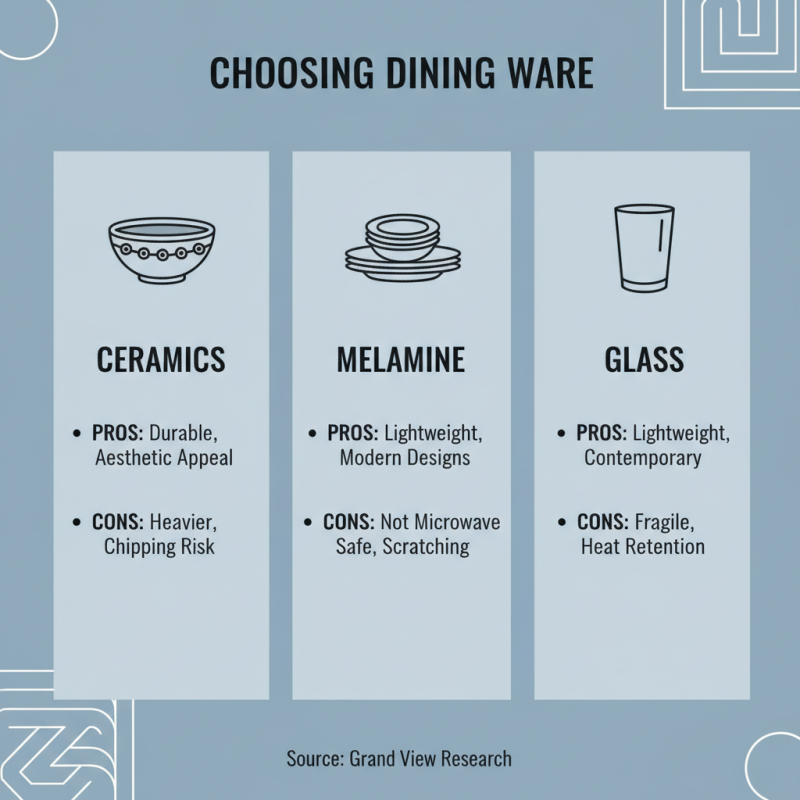
When choosing a dining ware set, it's essential to consider several factors that can significantly impact your dining experience. First and foremost, the material of the dining ware is crucial. According to a recent industry report by Grand View Research, ceramics are favored for their durability and aesthetic appeal, making up over 40% of the market share in dining ware. On the other hand, melamine and glass sets are gaining popularity due to their lightweight and contemporary designs. Understanding the pros and cons of each material can help you decide which aligns best with your lifestyle and preferences.
Another key factor to consider is the size and style of the dining ware set. A typical dinner plate should measure between 10 to 12 inches in diameter, catering to standard meal presentations. Additionally, sets often come in various configurations, usually ranging from 16 to 32 pieces, accommodating different household sizes and occasions. Industry analysts suggest evaluating your dining habits—if you frequently entertain guests, a larger set with a variety of dish types may be more suitable. Color and design also play pivotal roles; neutral tones tend to offer versatility, while bold colors can make a statement and enhance your dining ambiance. By assessing these factors carefully, you can select a dining ware set that complements your home and enhances your mealtime experiences.
Material Options for Dining Ware: Pros and Cons
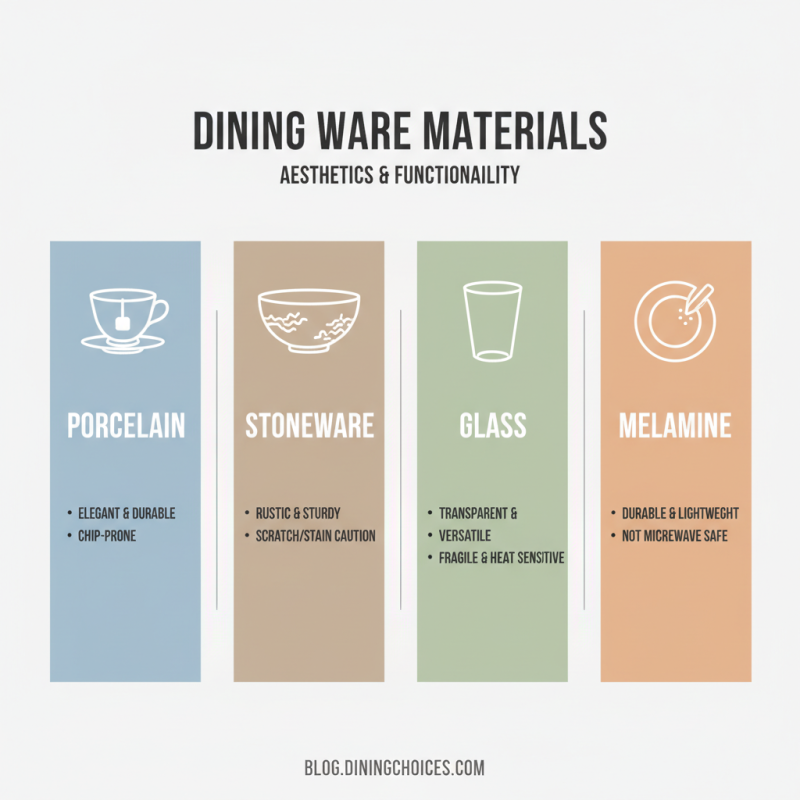
When choosing dining ware, material selection plays a crucial role in both aesthetics and functionality. Common options include porcelain, stoneware, glass, and melamine, each with distinct advantages and drawbacks. Porcelain, known for its elegance and durability, offers a classic look but can be prone to chipping. Stoneware, more rustic in appearance, is sturdy and retains heat well, yet it may require special care to prevent scratching or staining.
Glass dining ware is versatile and can elevate any table setting with its transparency and sheen. However, it can be heavy and breakable, making it less ideal for casual everyday use. On the other hand, melamine is lightweight and highly durable, making it great for outdoor dining or families with young children. It is also less expensive, but it doesn’t have the same upscale feel as ceramic options.
**Tip:** Consider your lifestyle when selecting materials. If you frequently entertain guests or have children, prioritize durability and ease of maintenance in your dining ware.
**Tip:** Don't hesitate to mix and match materials for a unique table setting. Combining glass and stoneware can create an aesthetically pleasing contrast while maximizing functionality.
Understanding Different Styles and Designs of Dining Ware
When selecting a dining ware set for your home, it’s essential to understand the various styles and designs available. Popular styles include classic, modern, rustic, and eclectic, each offering unique aesthetics that can complement your home decor. According to a recent industry report by the National Kitchen & Bath Association, nearly 70% of consumers prefer a style that reflects their personality, making it crucial to choose a set that aligns with your taste.
For a classic look, consider dinnerware made from porcelain or bone china, known for their elegance and durability. Modern designs, on the other hand, often incorporate minimalist elements, utilizing materials like stoneware and glass. Rustic dining ware frequently features earthy colors and textures, making it ideal for those who want a homely atmosphere. For those drawn to a mix of influences, eclectic sets allow for creativity; you can combine different patterns and materials to create a personalized table setting.
Tip: When choosing a dining ware set, focus on versatility. Ensure the pieces can transition easily from casual meals to formal gatherings. Additionally, opt for microwave and dishwasher-safe materials for practicality. To maintain your dining ware's longevity, avoid sudden temperature changes that could cause cracks or warping.
How to Choose the Perfect Dining Ware Set for Your Home - Understanding Different Styles and Designs of Dining Ware
| Style |
Material |
Design |
Care Instructions |
Price Range |
| Traditional |
Ceramic |
Floral Patterns |
Hand wash recommended |
$50 - $150 |
| Modern |
Porcelain |
Geometric Shapes |
Dishwasher safe |
$80 - $200 |
| Rustic |
Stoneware |
Earthy Tones |
Hand wash preferred |
$60 - $130 |
| Elegant |
Bone China |
Delicate Motifs |
Microwave safe |
$100 - $300 |
| Casual |
Melamine |
Colorful Patterns |
Top rack dishwasher safe |
$30 - $80 |
How to Select the Right Size and Shape for Your Dining Table
When selecting the right size and shape of dining ware for your dining table, it's essential to consider both functionality and aesthetics to create a harmonious dining experience. According to a survey conducted by the National Kitchen and Bath Association, nearly 70% of consumers prioritize the size of their dinnerware set in relation to their table size. A well-proportioned dining ware set enhances not just the table's appearance but also its usability. For instance, larger plates and bowls can overwhelm smaller tables, while excessively tiny dishware may not provide the ample serving capacity that a family meal demands.
Moreover, the shape of your dining ware plays a crucial role in the overall dining experience. A study published by the Journal of Culinary Science & Technology emphasizes that round and oval plates promote more social interactions at the table, as they provide an inviting central focus. In contrast, square or rectangular dishware may suit more modern, minimalist table settings, offering neat lines and contemporary aesthetics. When choosing your dining ware, consider the table shape as well; a round table pairs well with circular plates, whereas elongated tables can benefit from square or rectangular dishware that aligns with their shape.
Ensuring the right balance between size and shape will not only enhance your dining table's functionality but also elevate its visual appeal.
Budgeting for Your Ideal Dining Ware Set: Tips and Recommendations
When budgeting for your ideal dining ware set, it is important to start by assessing how you plan to use the set. Consider the size of your household and the types of gatherings you typically host. For casual family dinners, a more durable and economical set may suffice, but if you enjoy entertaining guests or hosting special occasions, investing in higher-quality materials could be worthwhile. Setting a clear budget at the outset helps prevent overspending and allows you to prioritize features that are most important to you, such as the number of pieces, material, and style.
In addition to considering your immediate needs, explore options that offer flexibility and longevity. Look for versatile pieces that can transition from everyday use to special occasions, such as dinner plates that are elegant enough for parties yet sturdy enough for daily meals. Furthermore, think about potential resale or donation value of higher-quality sets should your needs change in the future. Comparing prices online and in-store can help you find the best deals while remaining within your budget, ensuring that you invest in a dining ware set that meets your aesthetic and functional desires without compromising your financial goals.
Budgeting for Your Ideal Dining Ware Set