How to Choose the Best Earthen Pots for Wholesale
Choosing the best Earthen Pots for wholesale requires more than comparing prices and surface colors. Buyers must examine clay quality, firing temperature, wall thickness, drainage, and supplier consistency. A pot may look charming in a photograph, yet arrive with uneven rims or hidden cracks.
Bernard Leach, a respected potter and author, observed, “The potter is at once an artist and a craftsman.” His view remains valuable for wholesale purchasing. Good Earthen Pots must balance visual appeal with dependable performance. They should protect roots, release excess moisture, and tolerate ordinary handling during packing and transport.
Start with the intended market. Indoor planters may need clean profiles and smooth bases. Garden retailers may prefer thicker walls, natural textures, and larger drainage holes. Measure sample pots carefully. Record diameter, height, weight, glaze coverage, and packaging results. Small differences become expensive when ordering thousands of units.
Ask suppliers about clay sources, firing methods, moisture absorption, and quality-control procedures. Request production samples from different batches. Test them honestly. Some pots may stain, chip, or absorb water faster than expected. That is not a reason to reject every rustic finish, but it deserves reflection.
Wholesale success also depends on reliable communication. Confirm minimum order quantities, lead times, replacement policies, and carton protection before signing an agreement. Certifications and factory documents can support trust, but they do not replace physical inspection. The strongest choice combines practical testing, clear specifications, and an accurate understanding of customer expectations. In this market, beautiful is useful only when it arrives safely and performs consistently.
Define Your Wholesale Earthen Pot Requirements
Before requesting wholesale prices, define the pot you actually need.
Record the inner diameter, height, rim thickness, capacity, glaze coverage, and drainage-hole size. A 2024 ceramic tableware market report by Grand View Research estimated the sector at over USD 10 billion, showing strong demand but also intense product variation. Market size does not guarantee a suitable pot.
Specify the clay body and firing range.
Terracotta offers visible pores and a warm color, while higher-fired earthenware usually provides better strength and water resistance. Ask for test samples from the same production line.
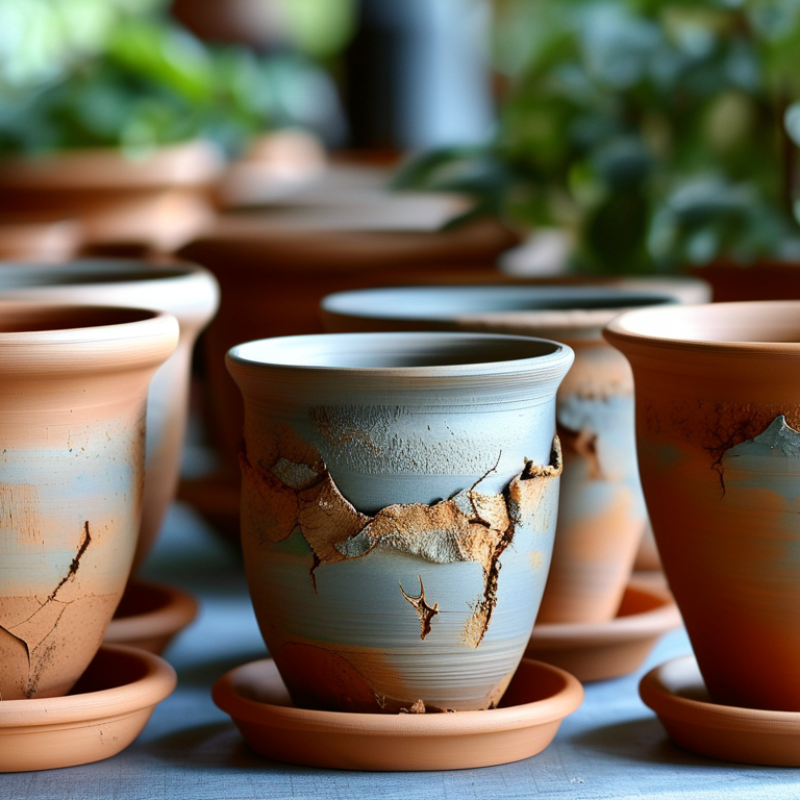
Check uneven rims, pinholes, hairline cracks, rough bases, and color differences under daylight. Small defects become expensive when packed by the thousand.
Set measurable purchasing limits.
For example, define acceptable dimensional tolerance, maximum breakage rate, carton quantity, replacement terms, and monthly capacity. The International Organization for Standardization reports that sampling plans help buyers control lot quality, but sampling cannot reveal every hidden crack. That limitation matters.
A practical trial may include drop handling, water retention, and repeated drying tests. I would also request material declarations and test records for intended food or plant use. My earlier assumption that thicker walls always mean better pots proved wrong; thicker pieces can dry unevenly and crack during firing. Build the specification around actual use, not appearance alone.
Compare Clay Quality, Craftsmanship, and Product Durability
How to Choose the Best Earthen Pots for Wholesale
When buying earthen pots wholesale, inspect the clay before judging the appearance. Dense, well-prepared clay usually feels firm and evenly weighted. Hold each pot near a light source. Tiny pinholes, uneven walls, or pale patches may reveal weak firing. A reliable supplier should explain the clay source, firing temperature, and moisture control process. In my inspections, a gentle tap has helped identify hollow, cracked sounds. However, sound alone is not enough. Clay composition can vary between production batches.
Craftsmanship directly affects product durability. Check the rim, base, handles, and inner surface carefully. A smooth rim reduces chipping during packing and daily use. The base should sit flat without rocking. Look for consistent thickness, especially around corners and attachment points. I once accepted attractive pots with slightly loose handles. Several failed during transport. That mistake showed me that decoration cannot replace structural testing. Ask for sample units, then test stacking, light impact, and repeated heating when appropriate. Record the results instead of relying on memory.
Tips: Compare samples from different batches. Weigh several identical pots. Reject pieces with sharp edges, deep hairline cracks, or unstable bases. Request clear packaging specifications.
Check Supplier Reliability, Pricing, Minimum Orders, and Shipping
Choosing the best earthen pots wholesale starts with supplier reliability, not the lowest unit price. Request kiln photos, recent batch records, clay composition, glaze safety reports, and two customer references. Verify business registration and production capacity independently. The World Bank’s Logistics Performance Index 2023 shows that goods can spend about 44 days moving from exporter warehouse to importer warehouse, representing 60% of total delivery time. A supplier who answers slowly may create expensive silence.
Compare at least three written quotations. Separate pot prices, packaging, tooling, inspection, inland transport, duties, and ocean freight. Use ITC Trade Map to review HS 6912 trade values and volumes, then question quotes far below the market range. Low prices can hide thin walls, uneven rims, or weak cartons. Ask for a paid sample and a small pilot order. Set measurable limits for cracks, warping, color variation, and breakage. Record actual defect rates; assumptions age badly. A 2023 UNCTAD maritime transport report highlights continuing freight-market volatility, so request freight validity dates and a delivered-cost scenario. Confirm MOQ by size and color, production days, pallet dimensions, and replacement terms. A slightly higher quote may be safer, but that judgment can fail when demand changes. Recheck it quarterly.
How to Choose the Best Earthen Pots for Wholesale - Check Supplier Reliability, Pricing, Minimum Orders, and Shipping
| Supplier Profile |
Product Range |
Typical Pot Sizes |
Wholesale Price Range
(USD / piece) |
Minimum Order |
Production Lead Time |
Shipping Options |
Reliability Indicators |
Best Use Case |
| Profile A |
Unglazed terracotta planters |
10–30 cm diameter |
$1.80–$6.50 |
100 pieces per size |
20–30 days |
Sea freight, courier, and consolidated cargo |
Pre-shipment inspection, moisture-safe packaging, export documents |
Garden centers and high-volume retailers |
| Profile B |
Hand-finished earthen cooking pots |
0.8–3.0 liters |
$4.50–$12.00 |
50 pieces per design |
25–40 days |
Sea freight and air freight for samples |
Food-contact material information, kiln-temperature records, sample approval |
Kitchenware wholesalers and specialty stores |
| Profile C |
Decorative rustic clay pots |
15–45 cm diameter |
$3.20–$18.00 |
200 pieces mixed sizes |
30–45 days |
Full-container and less-than-container-load shipping |
Detailed carton specifications, breakage allowance, production photos |
Home décor distributors and seasonal collections |
| Profile D |
Glazed and colored earthen pots |
12–35 cm diameter |
$2.80–$10.50 |
300 pieces per color |
35–50 days |
Sea freight, rail freight where available, and courier samples |
Color swatches, approved pre-production sample, replacement policy |
Retail chains seeking coordinated color ranges |
| Profile E |
Small artisanal earthen pots |
6–18 cm diameter |
$1.20–$5.00 |
50 pieces mixed designs |
15–25 days |
Courier, air cargo, and consolidated sea freight |
Small-batch sampling, clear defect definitions, responsive order updates |
Gift shops, plant boutiques, and trial orders |
Wholesale evaluation checklist:
Confirm the final unit price, packaging method, breakage allowance, Incoterms, shipping insurance, production schedule, sample approval process, and payment terms before placing a bulk order.
Inspect Samples and Confirm Wholesale Quality Before Buying
Choosing the best earthen pots for wholesale starts with inspecting physical samples, not trusting photos alone. Hold each pot under bright light and check the rim, walls, base, and drainage hole. Look for hairline cracks, uneven firing, rough edges, and pinholes in the finish. Run a dry cloth across the surface. Loose grit may indicate weak finishing.
Measure the sample’s height, opening, wall thickness, and weight. Compare several pieces from the same batch. Small variations are normal with earthenware, but large differences can affect packing, stacking, and customer use. Test the pot with water and leave it overnight. Watch for seepage, swelling, unusual odor, or color changes. Also ask for firing details, material information, quality tolerances, and packaging specifications.
A sample may look excellent and still hide production problems. My early checks focused too much on appearance. I later learned to inspect random pieces from different cartons. Ask the supplier to document acceptable defect rates and replacement procedures. Photograph every approved sample from several angles. Keep one sealed reference piece for future comparisons. Even then, quality control is not perfect. Humidity, transport vibration, and rushed inspections can change results. Build extra inspection time into the buying schedule.