What is Earthen Pots and Why Are They Important?
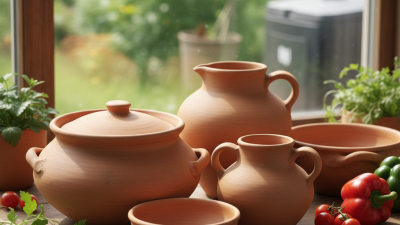
Earthen Pots, often made from clay, have been used for centuries. These simple containers play a significant role in various cultures. According to a report by the Food and Agriculture Organization, earthen pots help maintain moisture levels for food storage, enhancing preservation. Their natural composition regulates temperature, which is crucial for perishable items.
In many rural areas, earthen pots are more than just kitchenware—they symbolize tradition. However, the rising popularity of plastics poses a threat to the use of these ancient pots. Many people prefer convenience over sustainability, leading to a decline in earthen pot production. Yet, adopting earthen pots can reduce carbon footprints. They embody a connection to the earth, promoting a mindful lifestyle.
Despite their benefits, some may view earthen pots as outdated. The challenge lies in overcoming this perception. Education and awareness can revive interest in these eco-friendly options. Essentially, earthen pots are not just vessels; they represent a sustainable future worth exploring.
What Are Earthen Pots? A Comprehensive Overview
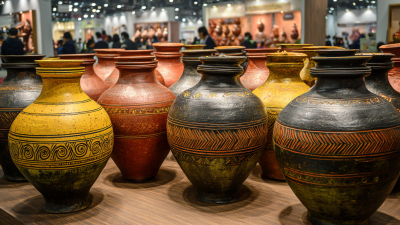
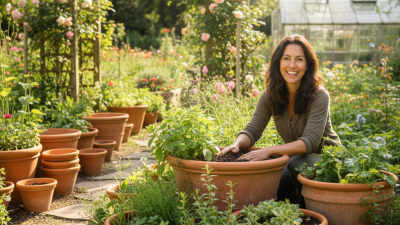
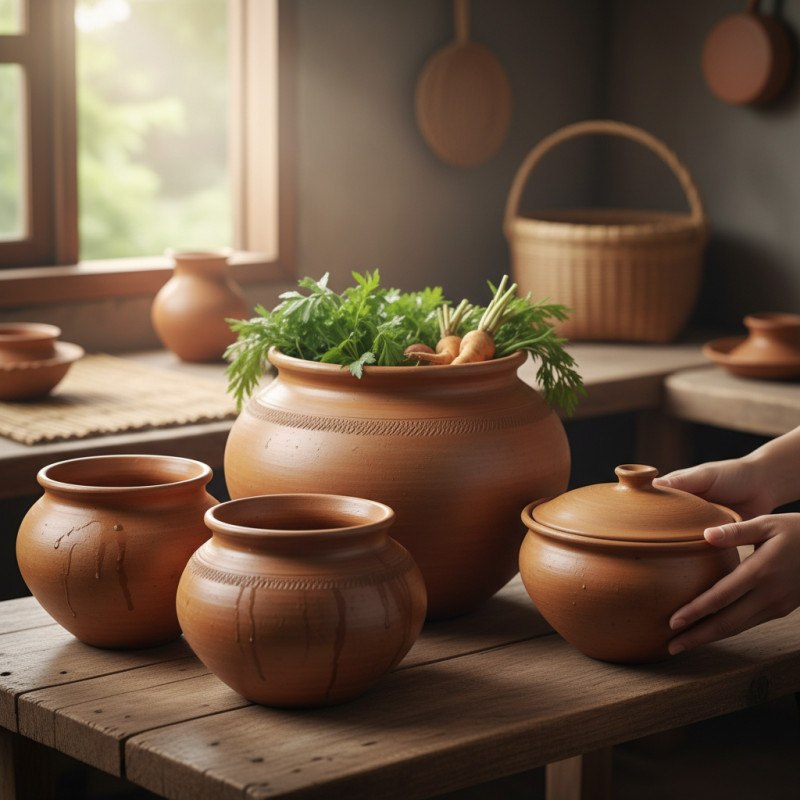
Earthen pots, also known as clay pots, are traditional vessels made from natural clay. They have been used for centuries across various cultures. These pots are favored for their porous nature, which allows for air circulation and moisture retention. According to a report by the Global Clay Pot Market, there has been a 4.5% annual growth rate in their popularity, especially for cooking and gardening.
The significance of earthen pots extends beyond their functional aspects. They contribute to sustainable living by reducing reliance on plastic and metal containers. A study by EcoWatch reveals that clay pots can lower carbon footprints significantly. Despite their advantages, they face challenges such as fragility and limited aesthetic appeal compared to contemporary cookware.
Users often encounter issues with the durability of earthen pots. Cracks can develop over time, especially with improper care. Moreover, they may require specific treatments to prevent them from absorbing flavors. Awareness of these limitations is essential for potential users who seek to incorporate earthen pots into their daily lives.
Historical Significance of Earthen Pots Across Cultures
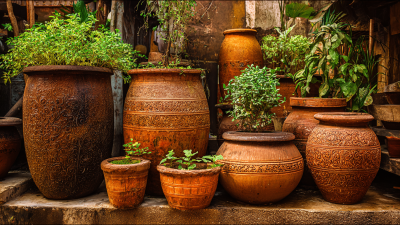
Earthen pots have deep historical roots across various cultures. They serve as functional items and as artistic expressions. Archaeological studies reveal that earthenware dating back over 20,000 years has been found in regions like China, Africa, and Europe. These pots played a crucial role in food storage and cooking, allowing communities to thrive.
In many cultures, earthen pots were symbolic. For instance, they often represented fertility and abundance. In India, ceremonies often include earthen pots as symbols of prosperity. According to the International Journal of Heritage Studies, the craftsmanship involved in making these pots highlights regional identities and traditions. However, as modernization advances, the use of traditional earthen pots is declining.
Environmental reports suggest that artisans are facing challenges due to the rise of plastic and metal alternatives. The traditional methods of creating earthenware could vanish. A UNESCO study emphasizes the significance of preserving these crafts for future generations. The future of earthen pots lies in the balance of tradition and innovation. Finding ways to honor this heritage is vital, yet difficult.
Historical Significance of Earthen Pots Across Cultures
The Environmental Impact of Using Earthen Pots
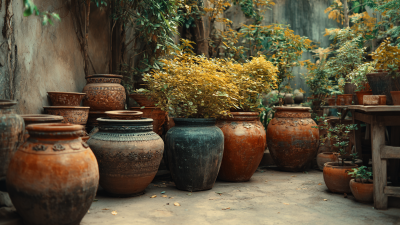
Earthen pots have been used for centuries. They are not just practical; they have significant environmental benefits. Made from natural materials, they decompose without harming the earth. When we use earthen pots, we reduce plastic waste. This is crucial in today’s polluted world.
Using earthen pots can also enhance the quality of food. They allow for even cooking and add a unique flavor. However, they can be fragile and require careful handling. It is essential to clean them well to avoid any bacterial growth.
Here are some tips for using earthen pots:
- Always soak them in water before use. This helps prevent cracking.
- Store them in a dry place, away from direct sunlight. They can degrade under extreme conditions.
- Experiment with traditional recipes to maximize their potential. You might discover new tastes!
Adjusting your habits can lead to a more
sustainable lifestyle.
Health Benefits: Why Earthen Pots Are Superior for Cooking
Earthen pots are a traditional cooking vessel that has gained renewed attention. Their health benefits are often overlooked. Research shows that cooking in earthen pots can enhance the nutritional value of food. The porous nature of clay allows for better moisture retention, preserving vitamins and minerals.
A study published in the Journal of Culinary Science found that food cooked in earthen pots contains lower levels of harmful compounds. In contrast to metal cookware, earthen pots do not leach chemicals into food. This is particularly important as people grow more concerned about chemical exposure from modern kitchenware. Moreover, the slow cooking process in earthen pots can lead to richer flavors, enhancing both the taste and health aspects of meals.
It's essential to acknowledge that not everyone may enjoy the same experience with earthen pots. Some find them heavy or challenging to clean. Additionally, they require specific care and techniques. These factors may deter some individuals from using them regularly. Though earthen pots have health advantages, convenience and personal preference often play a significant role in cooking choices today.
Modern Applications and Innovations in Earthen Pot Manufacturing
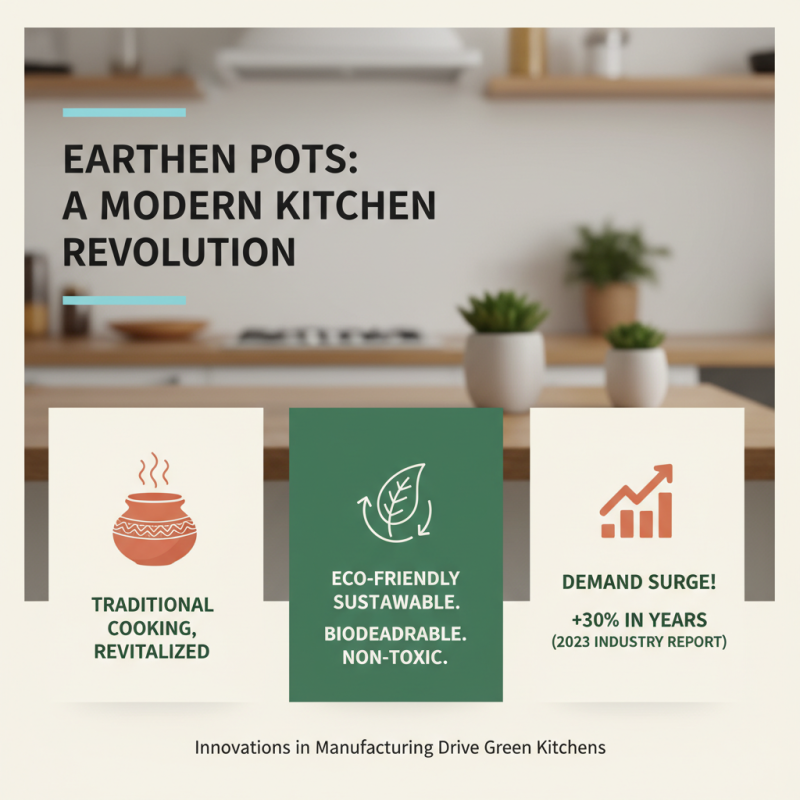
Earthen pots, often seen as relics of traditional cooking, are undergoing a remarkable transformation. Recent innovations in manufacturing have revitalized their role in modern kitchens. According to a 2023 industry report, the demand for eco-friendly cookware surged by over 30% in the last two years. This shift indicates a growing preference for sustainable materials, like clay, which is both biodegradable and non-toxic.
New technologies are enhancing the durability and design of earthen pots. For instance, improved firing techniques allow for finer textures and vibrant glazes. These pots not only serve culinary purposes but are also becoming popular decorative pieces. However, not all innovations balance tradition and modernity seamlessly. Some new materials claim to combine earthen properties with modern aesthetics, but they often lose the inherent value of clay.
While earthen pots are enjoying renewed interest, there are challenges. Many consumers lack knowledge about proper usage and care. This lack of information can lead to disillusionment with a product that requires a learning curve. Additionally, as production becomes more widespread, maintaining the artisanal quality may become problematic. Despite these growing pains, the potential of earthen pots in contemporary settings continues to expand, hinting at a future where tradition and innovation coalesce more harmoniously.