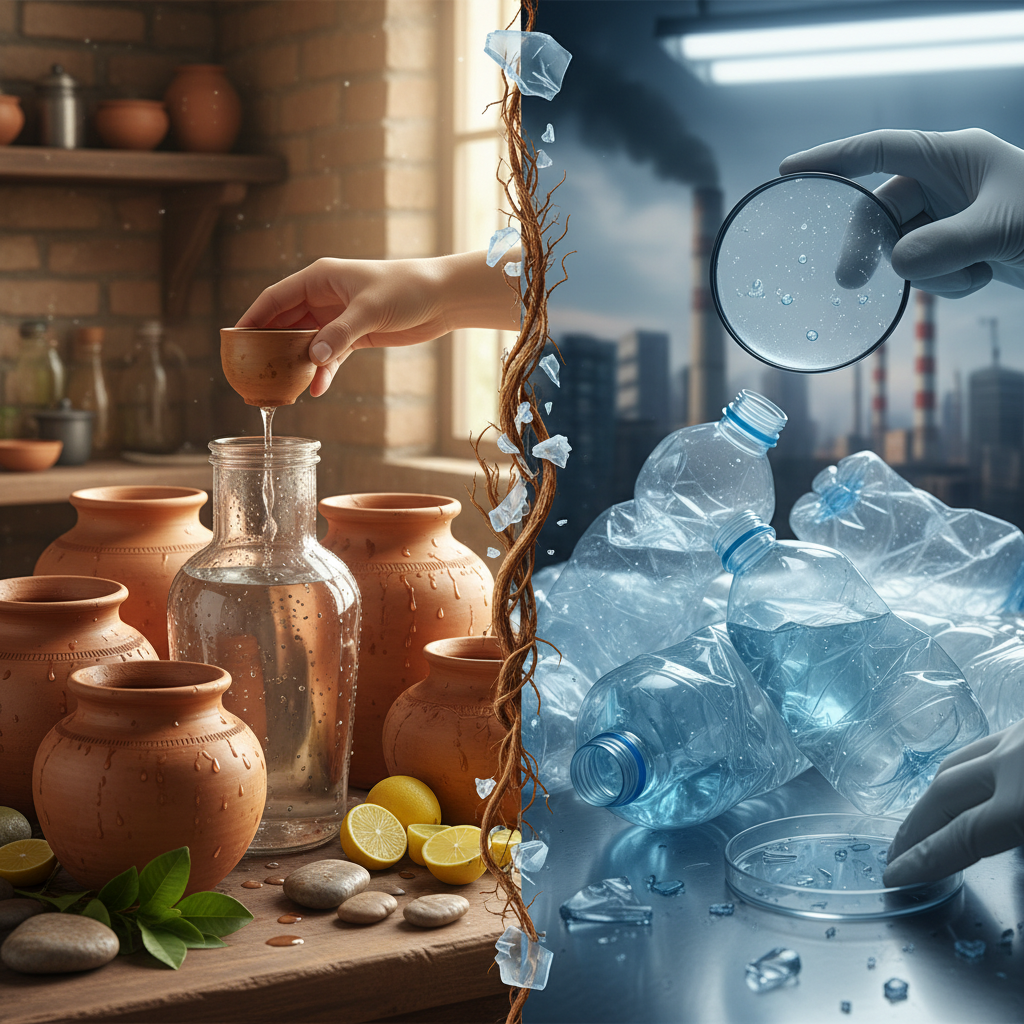
Why Earthen Pots Are the Best Choice for Sustainable Living
In an era where sustainable living is paramount, the choice of materials used in our daily lives holds significant weight. Among various options, Earthen Pots have emerged as a frontrunner in promoting eco-friendly practices. According to a report by the World Economic Forum, approximately 300 million tons of plastic waste is generated annually, contributing extensively to environmental degradation. This alarming statistic highlights the urgent need for alternatives that align with sustainable practices.
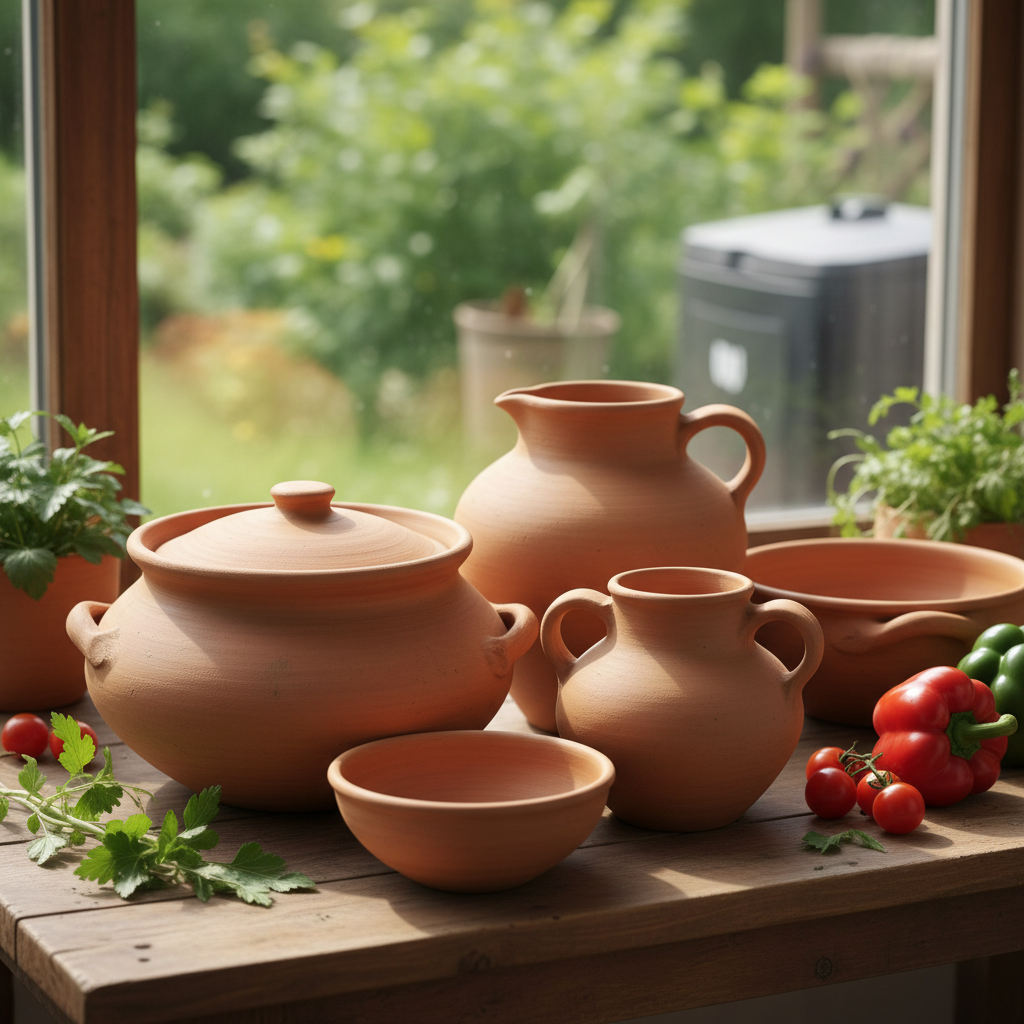
Earthen Pots, made from natural clay, not only reduce reliance on plastic but also have a lower carbon footprint during production compared to other cooking materials. A study by the United Nations Environment Programme indicates that traditional pottery production methods can reduce carbon emissions by up to 70%, making it a viable option for conscious consumers. Additionally, the natural properties of Earthen Pots allow for better air circulation and moisture retention, enhancing the flavor and nutritional value of food. As more individuals and families seek to adopt sustainable lifestyles, Earthen Pots represent a simple yet effective solution rooted in tradition and environmental responsibility.
The Environmental Benefits of Earthen Pots in Sustainable Living
Earthen pots, traditionally made from natural clay, offer numerous environmental benefits that align with the principles of sustainable living. One of the most significant advantages is their biodegradability. Unlike synthetic materials that can persist in landfills for centuries, earthen pots decompose naturally, returning nutrients to the soil and thereby supporting ecological health. This characteristic reduces waste and minimizes the carbon footprint associated with disposal.
Moreover, earthen pots promote water conservation. They have excellent breathability and moisture-retention properties, which help to keep plants hydrated while reducing the need for frequent watering. This is particularly beneficial in regions facing water scarcity. Additionally, the use of these pots can reduce reliance on plastic containers often used in gardening, which contribute to pollution and environmental degradation. By opting for earthen pots, individuals not only enhance their gardening practices but also actively participate in the movement towards a more sustainable future.
Why Earthen Pots Are the Best Choice for Sustainable Living - The Environmental Benefits of Earthen Pots in Sustainable Living
| Benefit Dimension |
Earthen Pots |
Plastic Pots |
| Biodegradability |
100% |
Not Biodegradable |
| Energy Consumption in Production |
Low |
High |
| Natural Insulation |
Excellent |
Poor |
| Chemical Leaching |
None |
Possible |
| Aesthetic Appeal |
Natural and Rustic |
Synthetic Look |
| Cost of Production |
Lower |
Higher |
Cultural Significance: The Traditional Roots of Earthen Pot Usage
The use of earthen pots is deeply rooted in various cultures around the globe, often reflecting the traditions and practices of local communities. For centuries, these vessels have not only served practical functions but also symbolized a connection to heritage and sustainable living. A report by the World Economic Forum indicates that traditional pottery methods are crucial for maintaining cultural identity, particularly in regions where industrialization threatens local customs. Many communities still utilize earthen pots in their daily lives, underscoring their enduring relevance.
Moreover, earthen pots are more than just cultural artifacts; they also play a significant role in promoting eco-friendly practices. According to a study published by the United Nations Environment Programme, the production of earthenware generates significantly lower carbon emissions compared to mass-produced alternatives. This characteristic emphasizes not only their practicality but also their contribution to a sustainable lifestyle. By choosing earthen pots, individuals can support local artisans and, at the same time, preserve age-old traditions that honor the environment.
Health Advantages: Why Choosing Earthen Over Metal and Plastic Matters
Earthen pots have re-emerged as a healthier alternative to metal and plastic containers, especially in a world where health consciousness is on the rise. Recent studies reveal that plastic bottles, commonly used for drinking water, can leach harmful microplastics and nanoparticles into the water, posing serious health risks to consumers. With the global bottled water market projected to grow significantly, this concerning trend emphasizes the importance of choosing safer materials for our daily hydration needs.
In contrast, earthen pots, often made from natural clay, offer numerous health advantages. They not only maintain the natural mineral content of water but also keep it cool, providing a refreshing taste without the dangers associated with plastic. Furthermore, earthenware is free from toxic chemicals commonly found in plastics and metals, making it an eco-friendly option that supports sustainable living. As consumers continue to demand healthier choices, prioritizing materials like earthenware could lead to a significant shift in our approach to consumption and health.
Cost-Effectiveness: Long-Term Savings of Using Earthen Pots
Earthen pots have long been celebrated for their cost-effectiveness, particularly when viewed through the lens of long-term savings. Initially, the price of these traditional cooking vessels may seem comparable to modern alternatives made from metal or plastic. However, over time, the durability and efficiency of earthen pots lead to notable financial benefits. Their superior heat retention allows for more efficient cooking, which means reduced energy consumption and lower utility bills. Families can enjoy a more economical cooking experience while contributing to environmental sustainability.
Beyond the immediate savings on energy costs, earthen pots also promote health and well-being. Unlike metal containers that can leach toxic substances, earthenware is naturally chemical-free, making it a safer option for food preparation and storage. Their ability to regulate temperature helps preserve the nutritional value of meals, which contributes to better health outcomes, potentially reducing medical expenses over time. By investing in earthen pots, individuals and families are not just making a purchase; they are embracing a lifestyle that prioritizes both financial prudence and sustainability for future generations.
Innovative Trends: The Rise of Earthen Pot Designs in Modern Homes
The resurgence of earthen pots in modern home design is not just a trend; it's a reflection of a growing commitment to sustainability. According to a recent report by the Global Sustainability Index, the demand for eco-friendly products has surged by 25% in the past five years, with earthenware becoming a popular choice among environmentally conscious consumers. These pots are crafted from natural clay and require significantly less energy to produce compared to their ceramic or plastic counterparts. This not only minimizes carbon footprints but also supports local artisans and small-scale manufacturers, bolstering local economies.
Innovative designs of earthen pots have began to attract attention across modern living spaces. From minimalist aesthetics to vibrant colors and textures, designers are reimagining these traditional items to fit contemporary home decor. A survey conducted by the Organic Home Report found that 70% of homeowners are willing to pay a premium for unique, sustainable products that enhance their living spaces. As eco-industries grow, it's clear that earthen pots are not merely functional but also stylish, bridging the gap between sustainable living and modern design aspirations.