Top 10 Benefits of Using Earthenware Pots for Cooking and Gardening
Earthenware pots have been a staple in cooking and gardening for centuries, celebrated for their unique properties and versatility. As we delve into the top 10 benefits of using earthenware pots, it becomes evident that these traditional vessels offer much more than aesthetic appeal. Made from natural clay, earthenware pots regulate temperature effectively, ensuring that food cooks evenly while also promoting healthier gardening practices. Their porous nature allows for optimal moisture retention, making them ideal for nurturing plants and growing herbs, all while reducing the risk of overwatering.
In addition to their functional advantages, earthenware pots are environmentally friendly, providing a sustainable option for both kitchen and garden enthusiasts. Unlike synthetic materials, earthenware is biodegradable and often free from harmful chemicals, which makes it a safe choice for cooking and planting. With a wide range of sizes and shapes available, these pots can cater to diverse culinary and gardening needs. Whether you are a passionate home cook or an avid gardener, understanding the multifaceted benefits of earthenware pots can enhance your culinary creations and foster a thriving green space.
Benefits of Earthenware Pots in Culinary Practices
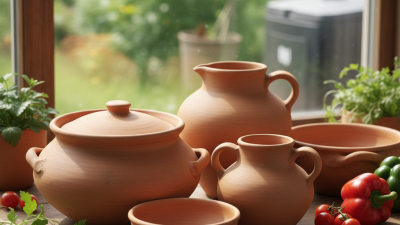
Earthenware pots have been cherished in culinary practices for centuries, and their unique properties make them an excellent choice for cooking. One significant benefit of using earthenware pots is their ability to retain heat evenly. This quality ensures that food cooks uniformly, enhancing the flavors and textures of dishes. The porous nature of the material allows moisture to escape during cooking, which can help prevent overcooking and enables food to develop a richer taste profile. This feature is especially valuable in slow-cooking methods, where the gradual heat and moisture retention meld ingredients into a harmonious blend of flavors.
Moreover, earthenware pots contribute to healthier cooking. As they are typically made from natural materials, they do not leach harmful chemicals into food, making them a safer option for preparing meals. These pots excel at enhancing the nutritional value of the food as they maintain the natural moisture and nutrients better than other cookware. The rustic charm of earthenware pots also adds a unique aesthetic appeal to the kitchen, inviting a more sustainable and natural approach to cooking. Thus, their benefits extend beyond practicality, encapsulating a holistic culinary experience that promotes health and enjoyment in the kitchen.
Advantages of Using Earthenware Pots for Plant Growth
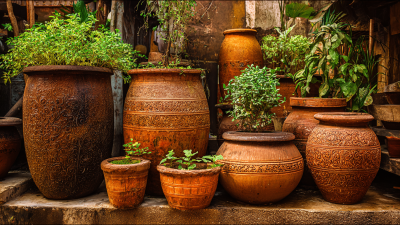
Earthenware pots have been a favored choice for gardening enthusiasts due to their ability to foster optimal plant growth. Made from natural clay, these pots offer excellent breathability, allowing for better aeration of plant roots. According to a study by the American Journal of Botany, plants grown in earthenware pots exhibit a 20% higher growth rate compared to those in synthetic containers. This advantage stems from the pots' porous nature, which helps prevent over-saturation of water while also maintaining adequate moisture levels necessary for roots to thrive.
Moreover, earthenware pots extend the growing season for plants. Findings from the Horticultural Research Institute indicate that the thermal mass of clay retains heat during cooler nights, creating a more stable environment for plants. This is particularly beneficial for tender plants that require consistent temperatures. As a tip for gardeners, consider grouping your earthenware pots together to maximize heat retention, especially in regions with fluctuating temperatures.
In addition to physical benefits, earthenware pots contribute to healthier soil conditions. They help with natural microbial activity, which in turn improves nutrient absorption. A study published in the Journal of Soil Science demonstrated that soil in earthenware pots contained 30% more beneficial bacteria than plastic alternatives. For those looking to enhance their gardening practice, incorporating earthenware pots can provide a significant boost in maintaining a vibrant, thriving garden. Always ensure that your pots have adequate drainage holes to take full advantage of these benefits.
Impact of Earthenware on Flavor and Aroma in Cooking
Earthenware pots, cherished for centuries, have recently regained popularity in both cooking and gardening, particularly because of their unique influence on the flavor and aroma of dishes. Research indicates that the porous nature of earthenware allows for moisture retention and a gradual cooking process, which enhances the depth of flavors in food. A study published in the Journal of Culinary Science highlights that cooking in earthenware can elevate botanical flavors, due to the pot's ability to absorb and release aromatic compounds during the cooking process. This not only results in richer tastes but also contributes to healthier meals by minimizing the need for excessive fats or salts.
For those looking to maximize the benefits of earthenware in their culinary endeavors, here are a few tips:
- First, pre-soak your earthenware pots in water for at least 30 minutes before use. This helps to create steam during cooking, further infusing moisture and flavor into your dishes.
- Second, consider cooking with seasonal ingredients, as earthenware enhances the natural flavors, making even the simplest vegetables and grains taste extraordinary.
- Lastly, avoid rapid temperature changes to prevent cracking, which can alter both cooking performance and the pot's flavor-infusing properties over time.
When it comes to gardening, the benefits of using earthenware pots extend beyond just aesthetics. The natural breathability of earthenware promotes healthy root development and air circulation, which is crucial for plant growth. Studies have shown that plants grown in earthenware tend to have improved flavor profiles when harvested, likely due to the enhanced nutrient uptake facilitated by the pot's material properties. Embracing earthenware in your cooking and gardening routines can lead to a more flavorful and enriched experience.
Sustainability and Environmental Benefits of Earthenware
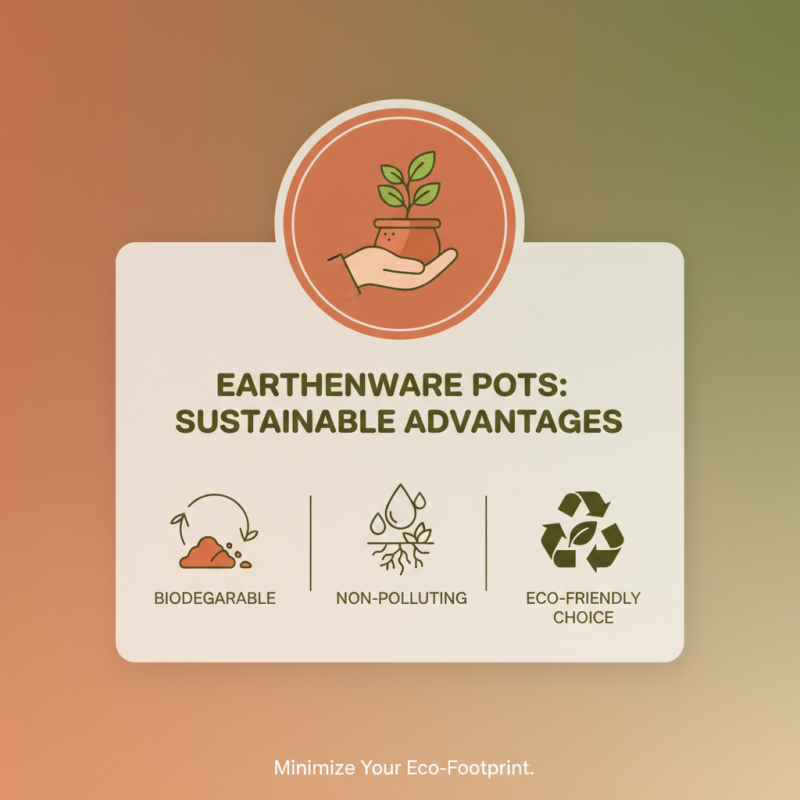
Earthenware pots are not only beloved for their cooking and gardening applications but also stand out for their significant sustainability and environmental advantages. Made primarily from natural clay, these pots are biodegradable and can decompose without leaving harmful residues. This characteristic makes them an ideal choice for eco-conscious individuals aiming to minimize their ecological footprint. Unlike plastic or metal alternatives, earthenware does not contribute to soil and water pollution, thus promoting a healthier ecosystem.
Moreover, earthenware pots provide excellent air and moisture regulation, which benefits plant growth while reducing the need for excessive watering and fertilizers. Their porous nature allows for better drainage, preventing waterlogging and ensuring healthy root development. This natural aeration not only enhances soil health but also supports sustainable gardening practices, as it encourages organic matter decomposition and biodiversity in the soil. By utilizing earthenware, gardeners and cooks can embrace a more environmentally friendly lifestyle, contributing to sustainable practices that honor the planet.
Caring for Earthenware Pots: Maintenance Tips and Best Practices
Caring for earthenware pots is essential to ensure their longevity and optimal performance, whether you’re using them for cooking or gardening. One of the key aspects of maintenance is proper cleaning. To clean earthenware, use a gentle brush or cloth with warm water and mild soap, avoiding harsh chemicals that can damage the porous surface. After washing, let the pots dry completely to prevent moisture buildup, which can lead to mold and deterioration.
Another important maintenance tip is to regularly check for cracks or chips. If your earthenware pot gets damaged, it’s best not to use it for cooking or planting, as this can compromise the pot's integrity and safety. For gardening, consider applying a food-safe sealant to create a protective barrier against moisture and enhance durability. When using earthenware pots in cooking, pre-soaking the pots in water before use can help them withstand heat better and prevent cracking. By following these best practices, you can enjoy the benefits of earthenware pots for many years to come.
Top 10 Benefits of Using Earthenware Pots for Cooking and Gardening