Ultimate Tips for Choosing the Best Oven Baking Trays for Perfect Results
When it comes to achieving perfect results in baking, the choice of oven baking trays plays a crucial role. With a myriad of options available, selecting the right trays can significantly impact the quality of your baked goods. Whether you are a novice baker or a seasoned chef, understanding the features and materials that make for the best oven baking trays is essential in enhancing your culinary creations.
Oven baking trays come in various shapes, sizes, and materials, each designed to cater to different baking needs. From non-stick surfaces that promote easy release of cookies and pastries to heavy-duty options that provide even heat distribution, the right tray can make all the difference in your baking endeavors. In this guide, we will explore the key factors to consider when choosing oven baking trays, ensuring you are equipped with the knowledge to elevate your baking game.
By making informed decisions about the oven baking trays you use, you can achieve consistent results and enjoy the process of baking even more. With tips on selecting the ideal tray for your favorite recipes and maintenance advice for prolonged use, this guide aims to put you on the path to baking success.
Understanding Different Types of Oven Baking Trays and Their Uses
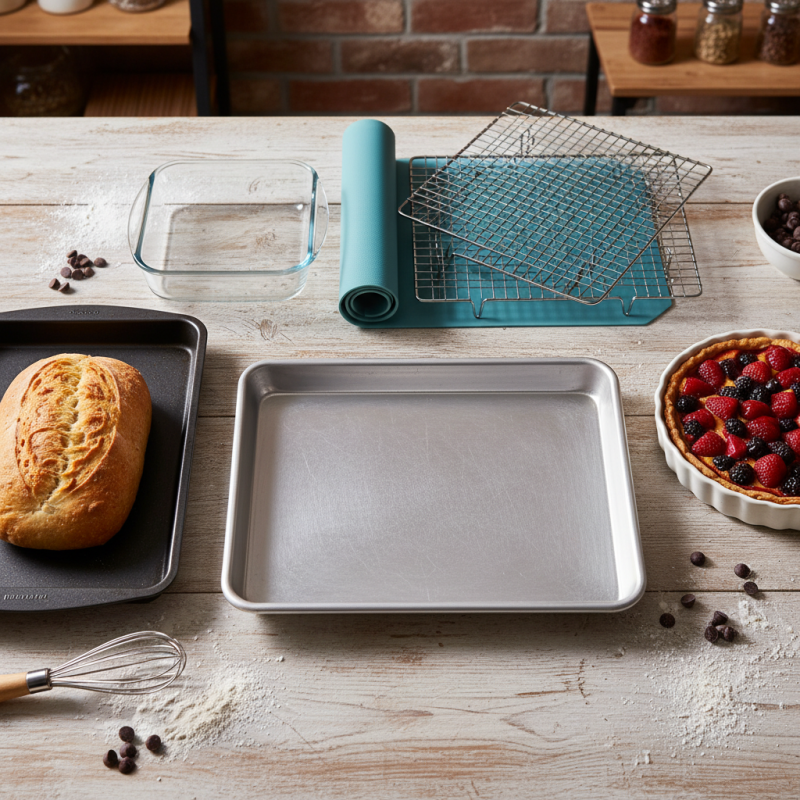
When it comes to baking, the choice of oven baking trays can significantly influence your results. Understanding the various types of baking trays available will help you select the best option for your culinary needs. For instance, metal baking trays, often made from aluminum or stainless steel, offer excellent heat conduction, making them ideal for roasting vegetables or baking cookies. Their lightweight nature also enhances handling, especially when removing trays from a hot oven.
On the other hand, non-stick baking trays are perfect for those who prioritize easy cleanup and perfectly baked goods. The non-stick coating minimizes the chances of food sticking, making them ideal for delicate items like muffins and brownies. However, it's essential to use utensils that won't scratch the surface to maintain the tray's longevity.
**Tip:** Always consider the material and shape of your baking tray based on what you're cooking. For high-heat recipes, opt for sturdier, thicker trays that withstand warping. Additionally, using a variety of sizes can maximize your oven's efficiency, allowing you to bake multiple items simultaneously without overcrowding for better heat distribution.
Key Materials for Baking Trays: Pros and Cons Explained
When choosing the best oven baking trays, understanding the key materials is essential for achieving perfect results. The most common materials include aluminum, stainless steel, and non-stick coatings. Aluminum trays are known for their excellent heat conduction, ensuring even baking. However, they can warp over time and may react with acidic foods. On the other hand, stainless steel trays are durable and resistant to rust, but they may not conduct heat as efficiently as aluminum. Non-stick surfaces offer the advantage of easy food release and minimal cleanup, but they can wear off over time and may require special care to maintain their effectiveness.
To ensure you make the right choice, consider your specific baking needs. If you frequently bake items that involve sticky substances, a non-stick tray might be best. Conversely, if you prioritize durability and are willing to manage sticking with the right amount of grease, stainless steel could be your ideal option. Always assess the baking tray's compatibility with your recipes, as some materials perform better at high temperatures while others shine in lower heat settings.
Another tip is to look for trays with reinforced edges or sturdy construction, which provide better stability and longevity. Additionally, consider the size and shape that will best suit your oven and the types of dishes you enjoy preparing. Making an informed decision based on these factors will help you achieve the best baking results every time.
Size Matters: How to Choose the Right Dimensions for Your Oven
When selecting the perfect baking tray for your oven, size plays a crucial role in achieving the best results. According to a report from the American Institute of Baking, many home cooks overlook the importance of dimensions, leading to uneven cooking and less-than-desirable results. Understanding your oven's internal measurements is vital. Most standard home ovens have a width of about 24 to 30 inches, but it's essential to consider the height and depth as well, as they can greatly influence the type and size of baking tray you can use.
Furthermore, the National Kitchen & Bath Association emphasizes the significance of tray dimensions for both efficiency and effectiveness in cooking. For instance, a half-sheet tray measuring approximately 18 by 13 inches is often recommended for most recipes, providing ample space while ensuring that heat circulates evenly. On the other hand, smaller trays, around 9 by 13 inches, are ideal for single-serving meals or smaller oven spaces. Choosing the right size not only prevents overcrowding but also maximizes airflow, resulting in perfectly baked goods every time. Therefore, taking the time to measure your oven and consider tray dimensions can significantly enhance your baking experience and outcome.
Essential Features to Look for in High-Quality Baking Trays
When it comes to baking, the choice of baking trays can greatly influence the outcome of your culinary creations. High-quality baking trays should possess certain essential features to ensure perfect results every time you bake. Firstly, material matters. Opt for trays made from heavy-duty materials such as aluminum or stainless steel, which provide excellent heat distribution and durability. This ensures that your baked goods cook evenly without the risk of warping or bending under high temperatures.
Another key feature to consider is the non-stick surface. Non-stick baking trays make it easier to remove baked items without damaging them. Look for trays with a proven non-stick coating that can withstand high heat and is free from harmful chemicals. Additionally, consider the shape and size of the trays. Versatile sizes can accommodate various recipes, from cookies to lasagnas, offering flexibility in your baking endeavors.
Tips for achieving optimal results include preheating your oven and avoiding overcrowding your tray, which can lead to uneven cooking. It's also beneficial to line your baking trays with parchment paper for even easier cleanup and additional non-stick properties. Taking these factors into account will help you choose the perfect baking trays that can elevate your baking experience to new heights.
Comparison of Essential Features in Baking Trays
Maintenance Tips for Longevity and Best Performance of Baking Trays
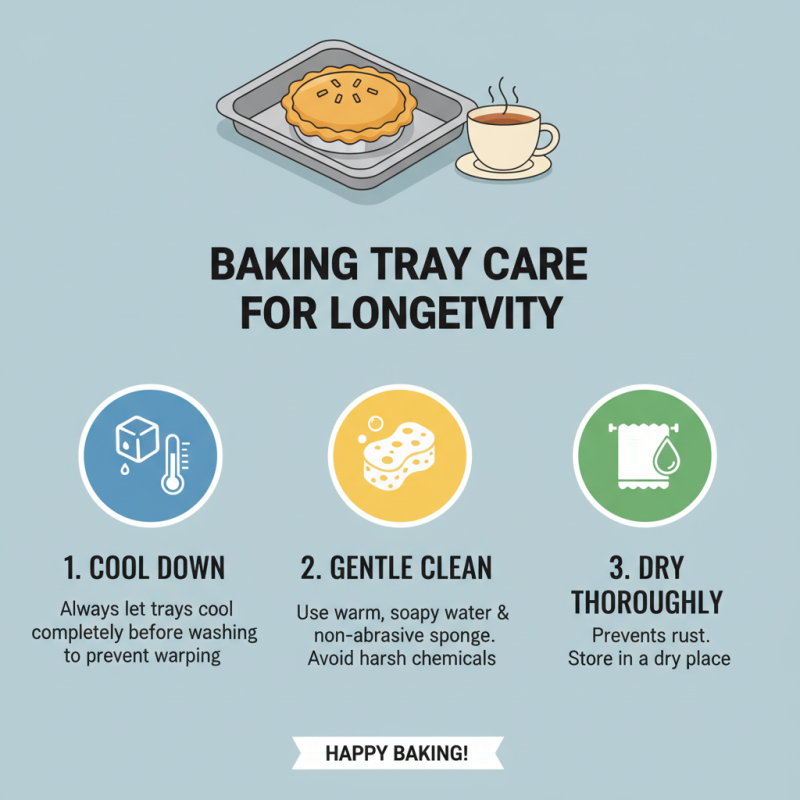
When it comes to maintaining baking trays for longevity and optimal performance, several key practices can make a significant difference. First and foremost, always allow your trays to cool before cleaning. Rapid temperature changes can warp the metal, affecting their shape and baking efficiency. Use warm, soapy water and a non-abrasive sponge to gently scrub away residue, avoiding harsh chemicals that could degrade the tray's surface.
Additionally, consider using parchment paper or silicone baking mats to minimize sticking and make cleanup easier. This not only protects your trays from scratches but also preserves their non-stick properties. After washing, ensure your trays are thoroughly dried to prevent any rusting or corrosion. Storing them in a dry, cool place is essential, as moisture can lead to damage over time.
Another useful tip is to avoid using metal utensils on the trays, as these can scratch and compromise the surface. Opt for silicone or wooden utensils instead, which are gentler on your bakeware. Regularly inspecting your baking trays for any signs of wear or damage will also help you maintain their performance, ensuring you achieve perfect results every time you bake.