follow us :
FUJIAN JIASHUN ARTS & CRAFTS CORP., LTD.

search

Leave Your Message

Top Christmas Home Decor Trends for Global Buyers

Christmas Home Decor is moving from short-lived novelty toward warmth, reuse, and highly personal storytelling. Global buyers increasingly want products that look beautiful on shelves, remain practical after December, and photograph naturally in smaller homes. Grand View Research estimated the global holiday decorations market at approximately US$8.9 billion in 2023, with continued growth forecast through 2030. The report also identifies online retail, sustainable materials, and decorative lighting as important market drivers. These signals matter to exporters, retailers, and designers planning seasonal collections.

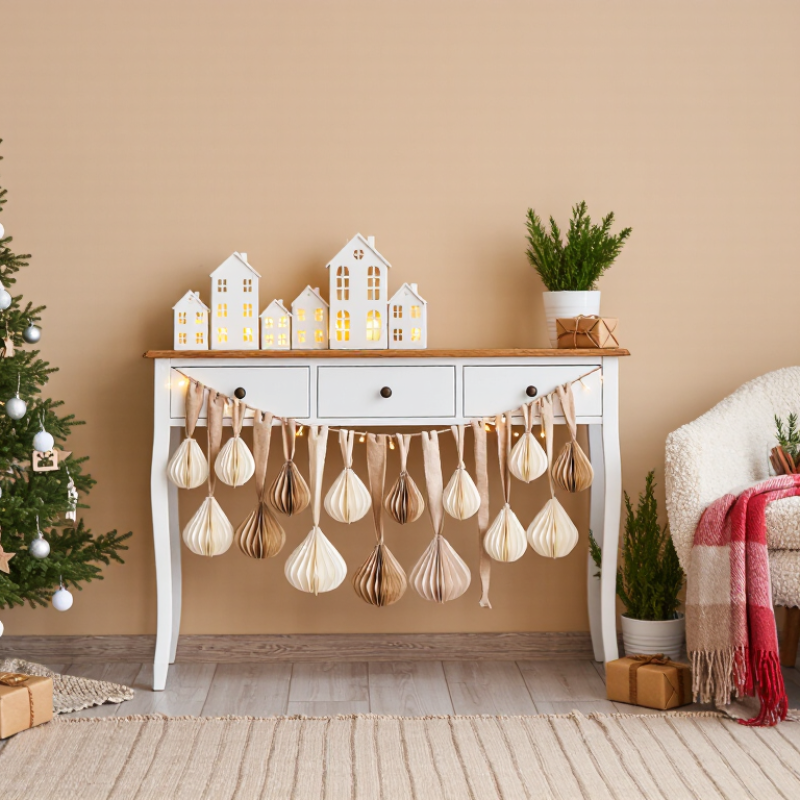
The National Retail Federation forecast US holiday sales between US$979.5 billion and US$989 billion for 2024. Deloitte’s 2024 holiday retail survey reported average planned consumer spending of about US$1,778. Spending data does not equal decoration demand, however. Some households reduce purchases, reuse ornaments, or choose smaller displays. That limitation deserves attention. As Etsy trend expert Dayna Isom Johnson said, “Holiday decorating is about creating moments that feel personal and meaningful.” Her observation reflects a broader shift toward handmade textures, family traditions, and flexible styling. Think linen ribbons, warm-white micro-lights, paper ornaments, and ceramic village houses on a narrow console. Buyers also examine packaging, durability, sourcing, and delivery reliability more closely. These details can influence trust as strongly as color or price. This guide explores the leading Christmas Home Decor trends for global buyers, while questioning which forecasts represent lasting behavior and which simply reflect seasonal excitement.
Top Christmas Home Decor Trends for Global Buyers

Defining Christmas Home Decor Trends for Global Buyers

Christmas home decor trends are shifting toward warmth, flexibility, and honest materials. Global buyers increasingly prefer natural wood, linen, woven fibers, and soft ceramic details. These textures create a calm festive mood without overwhelming smaller homes. Deep green, muted red, warm white, and champagne tones remain adaptable across markets. However, color preferences differ widely. A bright red centerpiece may feel traditional in one region but excessive in another.

Tips: Choose compact, lightweight pieces for easier shipping and storage. Check dimensions carefully. For electric decorations, verify voltage, plug type, labeling, and destination safety requirements. Use durable packaging to protect glass, painted surfaces, and delicate branches. Sustainable materials can strengthen buyer trust, but suppliers should provide clear and accurate sourcing information.

Layering is another defining trend. Combine a small wreath, table runner, candle holder, and textured cushion rather than buying one oversized statement piece. This approach helps families refresh rooms gradually. In practice, perfect coordination can look cold. Slightly uneven handmade details may feel more welcoming. Yet natural variation should not replace quality control. Loose threads, unstable bases, and strong odors remain serious concerns for international buyers. Reliable suppliers should test construction, explain care instructions, and offer consistent product specifications. A beautiful decoration means little if it arrives damaged or cannot suit the customer’s home.

Key Factors Shaping International Christmas Decor Preferences

Top Christmas Home Decor Trends for Global Buyers

International Christmas decor preferences are shaped by budgets, living spaces, culture, and climate. The National Retail Federation projected US holiday sales between $979.5 billion and $989 billion in 2024. This indicates strong seasonal demand, but buyers remain price-sensitive. Deloitte’s 2024 holiday retail forecast also expected moderate sales growth, reflecting cautious spending. For global buyers, adaptable products matter more than excessive decoration.

Compact designs are gaining attention. Foldable trees, flat-packed ornaments, and stackable storage reduce freight volume and warehouse costs. In small European apartments, a 60-centimeter tabletop tree can replace a full-size installation. In warmer markets, buyers often prefer LED candles, lightweight garlands, and outdoor-safe materials. Cultural details matter too. Red and gold may suit some Asian markets, while Nordic buyers often favor neutral wood, white, and soft green tones.

Sustainability now influences purchasing decisions, although the issue is not simple. The Ellen MacArthur Foundation reports that packaging accounts for around 40% of global plastic use. Recyclable paper, durable textiles, and reusable ornaments can reduce waste. Yet “eco” claims need evidence. Vague labels weaken trust. Buyers should request material composition, packaging details, safety testing, and product lifespan data. The Sustainable Trade Index has repeatedly shown that sustainability progress varies widely by market. A reusable wreath sounds attractive, but poor stitching or fragile hooks can create another disposable product. Experiences from international sourcing show that small functional details often decide repeat orders.

Top Christmas Home Decor Trends for Global Buyers - Key Factors Shaping International Christmas Decor Preferences

Trend Category Popular Product Directions Key Buyer Preferences International Demand Pattern Recommended Product Features
Natural and Rustic Christmas Wooden ornaments, pinecone decorations, jute ribbons, dried botanicals, woven baskets, and neutral-toned wreaths. Warm textures, understated colors, reusable materials, and a handmade appearance. Strong appeal in European, North American, and environmentally conscious urban markets. Natural finishes, compact packaging, lightweight construction, and clear material descriptions.
Sustainable and Reusable Decor Fabric ornaments, reusable advent calendars, recyclable paper decorations, LED lights, and long-life artificial greenery. Durability, low waste, recyclable packaging, and products suitable for repeated annual use. Demand is increasing across markets where consumers and retailers emphasize waste reduction and product longevity. Replaceable components, storage-friendly designs, recycled or recyclable materials, and packaging efficiency.
Minimalist Nordic Style White and beige ornaments, simple ceramic figures, wooden trees, soft textiles, and uncluttered table settings. Simple silhouettes, neutral palettes, functional decoration, and compatibility with modern interiors. Particularly suitable for modern homes and apartment living in Europe, North America, and parts of Asia-Pacific. Small footprints, stackable shapes, matte surfaces, and coordinated color collections.
Traditional Red, Green, and Gold Classic baubles, stockings, garlands, bows, figurines, table runners, and tree toppers. Nostalgic designs, family traditions, gift-giving symbolism, and recognizable seasonal colors. Remains a dependable core segment in established Christmas markets and family-oriented households. Coordinated sets, durable finishes, gift-ready packaging, and easy-to-display formats.
Warm Ambient Lighting Warm-white LED string lights, lanterns, candle holders, light-up figurines, and illuminated wreaths. Energy efficiency, safe operation, low heat output, flexible placement, and soft warm light. Broad international relevance because lighting works across indoor, outdoor, residential, and hospitality settings. LED technology, timer functions, weather-resistant options, battery or low-voltage operation, and certified electrical components.
Personalized and Family-Oriented Decor Personalized stockings, name ornaments, family signs, photo decorations, and keepsake gift boxes. Emotional value, gifting suitability, family participation, and distinctive seasonal memories. Strong opportunity in online retail and gifting channels where customization supports product differentiation. Simple customization options, clear preview processes, reliable spelling checks, and protective packaging.
Compact Apartment-Friendly Decor Miniature trees, hanging decorations, tabletop villages, foldable wreaths, and narrow storage solutions. Space efficiency, easy installation, low storage volume, and multi-purpose use. Relevant to dense cities, rental homes, student housing, and consumers with limited storage space. Foldable structures, hanging options, modular components, and accurate product dimensions.
Outdoor and Weather-Resistant Decor Outdoor wreaths, porch signs, garden figurines, weather-resistant garlands, and exterior lighting. Durability, resistance to moisture and cold, secure mounting, and color stability. More relevant in detached-home markets and regions where exterior seasonal decoration is common. UV-resistant materials, corrosion-resistant hardware, sealed electrical parts, and clear outdoor-use instructions.
Cross-Cultural and Inclusive Themes Winter-themed decor, snowflakes, stars, woodland animals, non-religious motifs, and multilingual seasonal designs. Broad cultural usability, neutral symbolism, inclusive messaging, and adaptability to different local traditions. Useful for international retailers, multicultural households, hospitality venues, and global e-commerce. Neutral visual language, multiple language options, culturally appropriate imagery, and flexible seasonal positioning.
Convenience-Focused Decor Sets Complete tree kits, coordinated tableware, matching ornament bundles, and ready-to-use room decoration sets. Time savings, visual consistency, simplified purchasing, and better value per package. Well suited to first-time decorators, busy households, rental properties, and seasonal hospitality buyers. Color coordination, itemized contents, compact shipment dimensions, and clear assembly instructions.
Key purchasing factors for global buyers: material safety, durability, sustainability, compact packaging, shipping efficiency, seasonal delivery timing, product compliance, clear dimensions, easy assembly, and suitability for local cultural preferences.

Popular Christmas Decor Styles Across Global Markets

Popular Christmas Decor Styles Across Global Markets

Christmas decoration styles change with climate, housing, culture, and local shopping habits. In Nordic markets, buyers often prefer pale wood, warm white lights, wool textures, and simple greenery. The look feels calm rather than heavily decorated. In North America, fuller trees, oversized ribbons, red accents, and layered table settings remain popular. European buyers often choose traditional glass ornaments, natural foliage, and handmade details.

Across Asian markets, compact designs suit apartments and flexible living spaces. Foldable trees, window ornaments, and small illuminated villages can create a festive mood without using much floor area. In warmer regions, lightweight materials and artificial greenery are practical choices. Some buyers also combine Christmas colors with local patterns, which creates a more personal appearance. Not every trend travels well.

From my experience reviewing seasonal product ranges, buyers increasingly ask about durability, storage, and material safety. A velvet bow may photograph beautifully, but it can collect dust quickly. Glitter can also create cleaning problems. For lighting products, clear instructions, suitable voltage, and recognized safety testing should be checked before purchase. These details build trust across different markets.

Color preferences are also becoming less predictable. Deep green and burgundy work well in traditional homes, while champagne, silver, and soft blue suit contemporary interiors. I once assumed minimalist decor would appeal everywhere, but crowded festive displays remain important in several markets. That assumption needed reconsideration. Global buyers should study local homes, customs, and climate before treating one style as universal.

Materials, Colors, and Products Driving Seasonal Demand

Top Christmas Home Decor Trends for Global Buyers

Materials are shifting toward tactile, practical surfaces. Recycled paper, natural wood, ceramic, velvet, and brushed metal are gaining attention. They photograph well and survive repeated seasonal use. The U.S. National Retail Federation forecast 2024 holiday sales at $979.5 billion to $989 billion. That scale supports dependable, mid-priced décor with clear utility. Buyers should inspect coatings, breakage rates, and packaging before placing large orders. A beautiful ornament is not useful if it arrives damaged.

Color demand is becoming warmer, but not uniformly traditional. Deep red, forest green, candlelight beige, and muted gold create a familiar Christmas setting. Icy blue and soft silver offer a cleaner winter alternative. Pinterest trend reporting continues to show strong interest in nostalgic, handcrafted, and nature-led visual themes. These signals are directional, not guarantees. Forecasts can miss local preferences. Regional testing remains necessary.

Product buyers are prioritizing compact, giftable items. Tabletop trees, fabric stockings, reusable gift wrap, ceramic candle holders, wreath accents, and low-energy LED strings fit smaller homes and easier shipping. Deloitte’s 2024 holiday retail survey reported planned household spending of about $1,778 in the United States. Adobe Analytics recorded $240.8 billion in U.S. online holiday sales during the same season. These figures are not global measurements, but they reveal strong digital demand. Product pages should show texture, dimensions, lighting tone, and storage details clearly. Small omissions can quietly reduce trust.

Top Christmas Home Decor Trends for Global Buyers

Materials, colors, and products driving seasonal demand

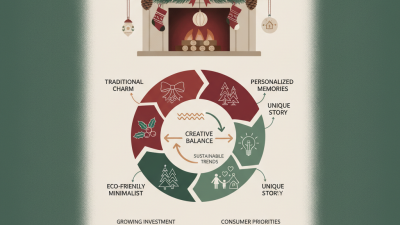
Natural materials, warm metallic finishes, and reusable lighting products are leading seasonal demand. The chart uses a comparative demand index, where 100 represents the average level across the listed Christmas home decor categories.

How Global Buyers Evaluate Christmas Home Decor Suppliers

Global Christmas home decor is moving toward warm, natural, and reusable designs. Buyers increasingly request linen stockings, wooden ornaments, paper stars, and soft amber lighting. These products photograph well and suit different cultural interiors. However, appearance is only the opening test.

Global buyers evaluate suppliers through samples, documentation, and repeated communication. A serious supplier should provide material details, production capacity, packaging dimensions, and realistic lead times. Buyers may inspect stitching, paint coverage, wire protection, and hanging strength.

They also check safety testing for electrical items and responsible material sourcing. Clear records build confidence. Vague answers create risk.

Small sample differences matter. A red ribbon may look burgundy on one screen and bright scarlet in a showroom. Buyers should request physical samples before placing larger orders. They should also test cartons after simulated handling, not only admire the first delivery. No supplier is perfect. One overlooked issue may be uneven dye, delayed replacement parts, or unclear carton labeling. Honest suppliers explain limits and offer practical corrections. That honesty often matters more than a polished catalog. Regular video inspections, written specifications, and a shared approval sheet can reduce costly surprises. Still, buyers should leave time for mistakes, because holiday schedules rarely forgive them.