Top 10 Oven Safe Plates for Cooking and Baking?
When it comes to cooking and baking, choosing the right cookware is crucial. Oven safe plates play a vital role in ensuring your meals are perfectly baked. Finding the best options may seem daunting, but understanding what to look for can simplify the process.
Oven safe plates come in various materials, from ceramic to glass. Each material has its unique pros and cons. For example, glass plates are easy to clean but can break easily. Ceramic plates, on the other hand, offer excellent heat distribution. It's essential to consider practicality while also valuing aesthetics in your kitchen.
As you explore the top 10 oven safe plates, reflect on your cooking habits. What do you typically bake? Do you need versatility? Each plate serves a purpose, and some may not fit your needs. Identifying the right plate will enhance your culinary experience and deliver better results in the kitchen. Make mindful choices that align with your cooking style.
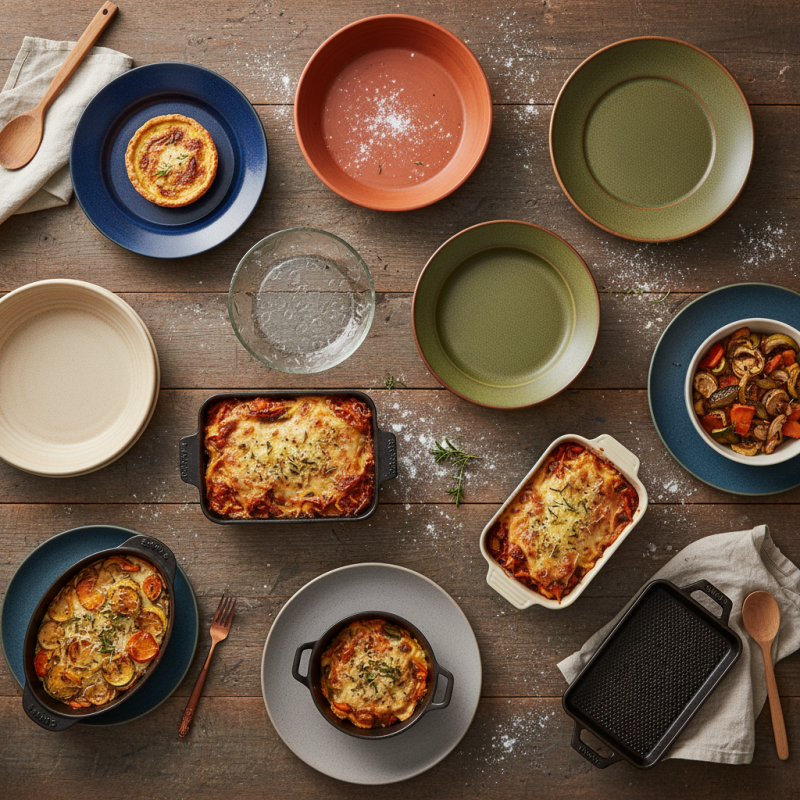
What to Look for in Oven Safe Plates for Cooking and Baking
When choosing oven-safe plates for cooking and baking, several factors matter. Material is crucial. Common options include ceramic, glass, and metal. Each material has its pros and cons. For example, ceramic can endure high temperatures well, but it may crack if subjected to extreme temperature changes. Glass plates are easy to clean but can shatter if dropped. Metal plates conduct heat evenly but may tarnish over time.
Temperature resistance is another vital consideration. Many expert reports suggest looking for plates that withstand temperatures up to 500°F. This allows for a range of cooking methods, from baking to roasting. Ensure the plates have a good grip. Safety is important, especially when placing them in and out of the oven.
**Tip:** Always check for oven-safe labels. This ensures durability and prevents accidents. Test your plates by gradually increasing the oven temperature the first few times you use them.
Another factor is the size and shape. Large plates can hold more food but may take up valuable oven space. Smaller plates allow for better heat circulation. Balance is key. Ensure the plates fit comfortably in your oven without crowding.
**Tip:** Consider investing in a mix of sizes. This can help you adapt to different meals and occasions. Test various shapes to find what suits your cooking style best.
Top 10 Oven Safe Plates for Cooking and Baking
| Plate Type |
Material |
Oven Temperature (°F) |
Microwave Safe |
Dishwasher Safe |
Use Case |
| Ceramic Plate |
Ceramic |
450 |
Yes |
Yes |
Baking, Serving |
| Glass Baking Dish |
Glass |
500 |
Yes |
Yes |
Casseroles, Baking |
| Stoneware Plate |
Stoneware |
450 |
Yes |
Yes |
Baking, Roasting |
| Metal Cookware |
Aluminum |
500 |
No |
Yes |
Baking, Roasting |
| Porcelain Plate |
Porcelain |
500 |
Yes |
Yes |
Serving, Baking |
| Baking Sheet |
Steel |
500 |
No |
Yes |
Cookies, Roasting |
| Cast Iron Plate |
Cast Iron |
500 |
Yes |
Yes |
Searing, Baking |
| Silicone Baking Mat |
Silicone |
450 |
Yes |
Yes |
Baking, Non-Stick |
| Glass Pie Dish |
Glass |
450 |
Yes |
Yes |
Pies, Quiches |
Top Materials for Durable Oven Safe Plates: Pros and Cons
When it comes to oven safe plates, the material you choose matters. Different materials offer various advantages and drawbacks. For example, ceramic plates are popular for their heat retention. They distribute heat evenly, which is great for baking. However, they can chip easily. The fragility can be a concern for some users.
Glass is another good option. It is non-porous and doesn't retain odors. You can see your food as it cooks. But, glass can shatter if exposed to sudden temperature changes. It’s essential to avoid sudden shifts between hot and cold environments with glass plates.
When picking oven safe plates, consider your cooking style. Metal plates can manage high temperatures well and are often durable. With metal, the risk of rust exists.
Tip: Always check the manufacturer’s guidelines for safe oven temperatures. Avoid overcrowding the plates. This helps your dishes cook evenly, and reduces the risk of scratches.
Remember, not every material suits every recipe. Your experience may vary. Reflection on past results can guide future choices. Experiment to find what works best for you.
Features of High-Quality Oven Safe Plates: Heat Resistance and Design
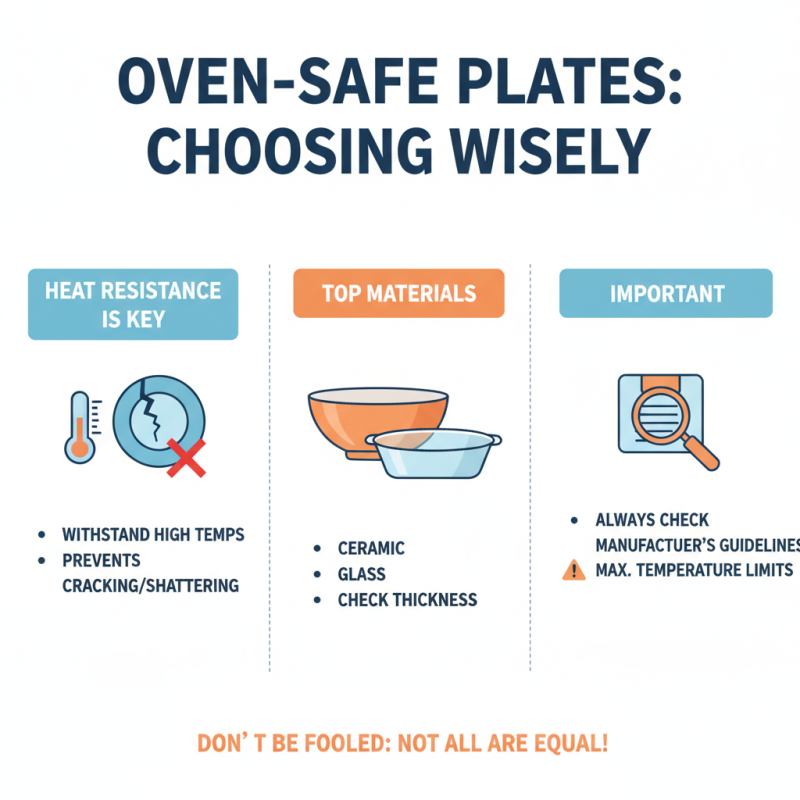
When choosing oven safe plates, heat resistance is key. Look for materials that can withstand high temperatures without cracking. Ceramic and glass are often great choices. They can handle the heat, but don’t be fooled. Not all ceramics are created equal. Thin options may shatter under extreme heat. Always check the manufacturer's guidelines for safe temperature limits.
Design matters, too. Plates should not only be functional but also visually appealing. Look for versatile designs that fit your kitchen decor. A simple, elegant style can enhance your table setting. However, be cautious of overly decorative plates. Intricate designs may not hold up in the oven. Function might outweigh form in this instance, but it’s a tricky balance.
Some plates come with added features like handles for easy lifting. This is a positive aspect, but remember that handles can get hot. Always use oven mitts, no exceptions. It's essential to remember that even the best plates can crack and wear over time. Regular inspection for chips or damage is wise. Ignoring small flaws may lead to bigger problems later.
Recommendations: The Top 10 Oven Safe Plates for Every Kitchen
When looking for oven-safe plates, it’s crucial to consider durability and versatility. A plate should withstand high temperatures without cracking. Materials like ceramic and tempered glass are often the best choices. They can handle the heat while providing even cooking results.
Some plates may chip or discolor over time. It’s important to regularly inspect your dishes. Look for signs of wear before using them for high-temperature cooking. Also, choose plates with a non-porous surface. This feature helps prevent food from sticking, making cleanup easier.
For those who bake often, size matters. Ensure your plates fit comfortably in your oven. A tight squeeze can lead to accidents. Remember to consider the design. Decorative plates may look beautiful but might not be practical for heavy meals. Aim for a balance of aesthetics and functionality to elevate your cooking experience.
Care and Maintenance Tips for Your Oven Safe Plates
When it comes to oven-safe plates, care and maintenance are crucial for longevity. Always ensure your plates are clean before use. Hot water and mild soap work well. Avoid abrasive scrubbers that can scratch the surface. These scratches can harbor bacteria and aren't visually appealing.
Temperature changes can be tough on plates. Never place a cold plate directly into a hot oven. This can cause cracking or shattering. Gradually bring the plate to room temperature first. Check your oven's temperature settings, as inconsistent heating can be damaging.
Store your plates carefully to prevent chipping. Layering with cloth or paper towels is helpful. Re-evaluate how you stack your dishes. Over time, you might notice chips or cracks that weren't there before. It's important to replace damaged plates promptly, as they may not be safe for use.