follow us :
FUJIAN JIASHUN ARTS & CRAFTS CORP., LTD.

search

Leave Your Message

Top 10 Tips for Choosing the Best Oven Baking Trays?

Choosing the right oven baking trays can greatly impact your baking experience. The variety of options available may seem overwhelming. Each type has its unique features that can either enhance or hinder your cooking results.

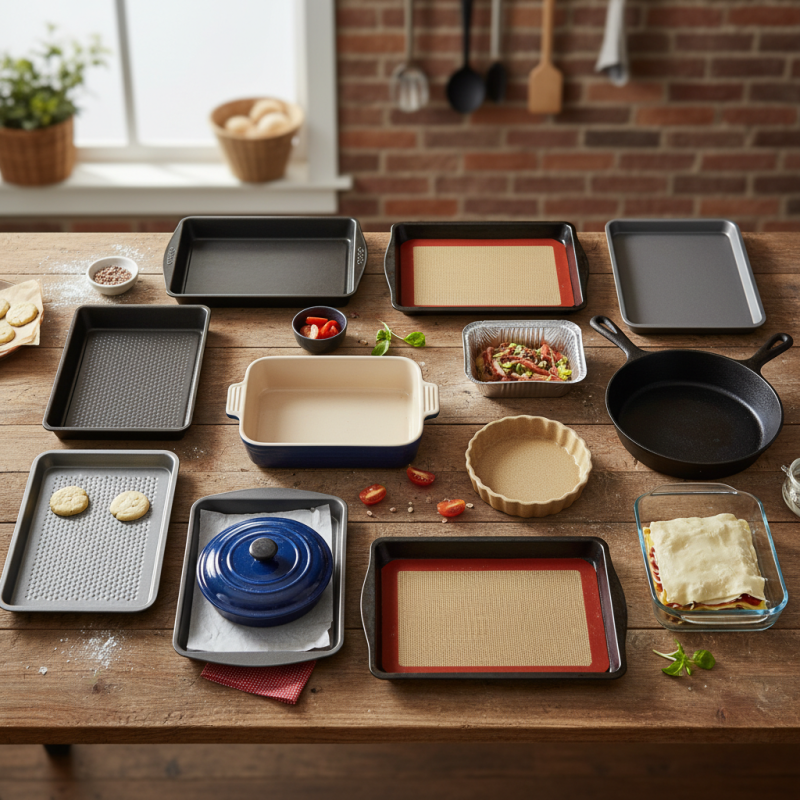
Oven baking trays come in various materials, shapes, and sizes. For instance, metal trays heat evenly, while ceramic trays retain heat well. Understanding these differences is crucial. Selecting the wrong tray might lead to uneven baking. It could also mean more effort in cleaning afterward.

It's also essential to consider the purpose. Are you baking cookies, roasting vegetables, or making a lasagna? Each task requires specific tray features for optimal results. A good-quality oven baking tray can help you achieve delicious dishes with minimal hassle. As you explore your options, keep your cooking habits in mind. This proactive approach will guide you in making the best choice.
Top 10 Tips for Choosing the Best Oven Baking Trays?

Understanding Different Types of Oven Baking Trays Available

Top 10 Tips for Choosing the Best Oven Baking Trays?

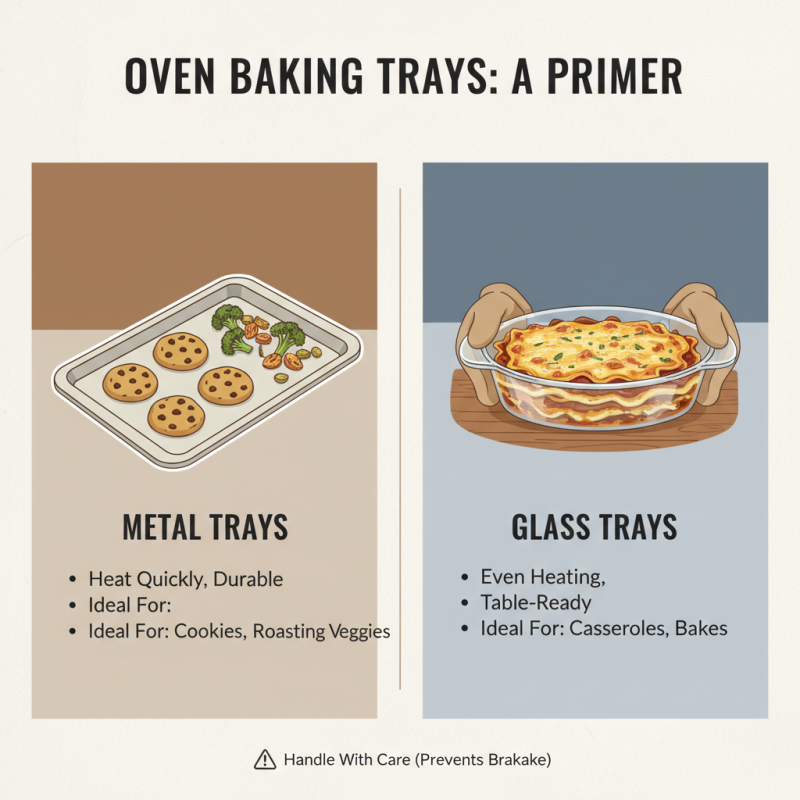
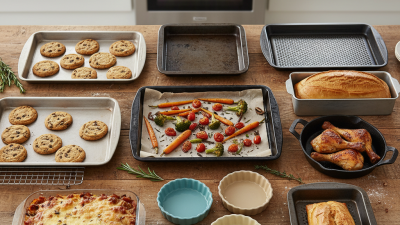
When choosing the right oven baking tray, understanding the different types available makes a big difference. There are several materials to consider. Metal trays heat quickly and are durable. They are great for cookies and roasting vegetables. Glass baking trays are perfect for casseroles and can go from the oven to the table. However, they require careful handling to prevent breakage.

Non-stick baking trays are popular for easy cleanup. They prevent sticking but might not be ideal for all foods. If you use high temperatures, make sure the coating is safe. Some users note that the surface can wear off over time.

A few tips for your search: always check the size of your oven before purchasing. Ensure the tray fits without blocking heat circulation. Think about how often you bake. A heavy-duty tray might be worth the investment if you bake frequently. Don't overlook the importance of easy handling. Trays with sturdy handles or edges can make transferring hot food safer. Each type has its strengths and weaknesses, so weigh your options carefully.
Key Materials to Consider for Durability and Performance

When selecting oven baking trays, the materials used play a crucial role in both durability and performance. Stainless steel is a popular choice due to its strength and resistance to warping. It distributes heat evenly, which is vital for achieving perfect baking results. However, stainless steel can sometimes lead to sticking. Applying a light coat of oil can help mitigate this issue.

Another common material is aluminum. It's lightweight and conducts heat well, making it ideal for even baking. However, bare aluminum can react with acidic foods, affecting both flavor and longevity. Anodized aluminum or non-stick coatings can prevent this reaction. While these coatings enhance performance, they may wear out over time, requiring replacements more often than one might like.

In contrast, silicone baking trays are gaining popularity. They are flexible, allowing for easy release of baked goods. However, they may not provide the same level of crispiness that metal trays do. It's essential to consider what you value most—ease of use or effective heat conduction. Each material has its pros and cons. Reflecting on your baking habits can guide you to make the right choice.

Evaluating Size and Shape for Your Baking Needs

Top 10 Tips for Choosing the Best Oven Baking Trays?

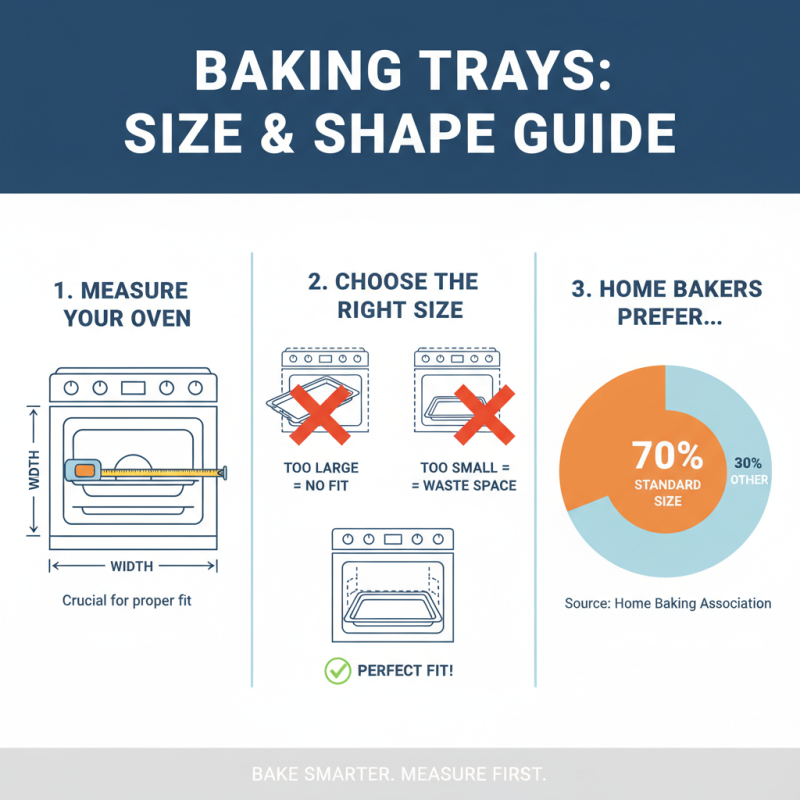
When evaluating size and shape for baking trays, consider your oven's dimensions. A tray that’s too large won’t fit properly, while a small one may waste space. A survey by the Home Baking Association reveals that 70% of home bakers prefer trays sized to fit standard ovens. Therefore, measuring your oven is crucial before making a purchase.

Think about the type of baked goods you plan to prepare. Rectangular trays are ideal for sheet cakes and cookies, while round ones are perfect for pizzas and quiches. The geometry of your baking tray impacts heat distribution. A report from the American Culinary Federation indicates that trays with low sides promote even cooking, as they allow heat to circulate.

Customizing your baking setup requires thought. Not all recipes follow standard dimensions. Sometimes, you may need a unique size to fit mini quiches or artisanal bread. Reflect on your baking habits. It’s also beneficial to have multiple trays of different sizes. This ensures you’re prepared for various culinary projects. Adjust your choices as you gain experience in your baking journey.

Importance of Non-Stick Coatings and Their Care

Non-stick coatings on oven baking trays have revolutionized meal preparation. They make cooking and cleaning much easier. Research from the Food and Drug Administration indicates that these coatings can significantly reduce the amount of oil or fat needed during baking, promoting healthier eating. A simple wipe with a damp cloth often suffices for cleanup, minimizing the time spent in the kitchen.

However, the care of these non-stick surfaces is crucial. Scratches and damage can occur from improper utensils. A study by the Coatings Research Institute revealed that metal utensils can decrease the lifespan of non-stick coatings by up to 50%. Regularly checking for any wear and following the manufacturer’s guidelines can extend the life of your baking trays significantly.

Some users may overlook the importance of temperature. High heat can lead to the degradation of non-stick surfaces. Maintaining moderate temperatures is essential for preserving their integrity. It's essential to consider these factors when selecting and using baking trays to ensure effective cooking and long-lasting performance.

Top 10 Tips for Choosing the Best Oven Baking Trays

Tip No. Tip Description Key Feature Care Instructions
1 Consider the material used for the tray Stainless steel or aluminum Hand wash and dry immediately
2 Look for a non-stick coating PTFE or ceramic Avoid metal utensils to preserve coating
3 Check for even heat distribution Heavy-gauge material Preheat oven to desired temperature
4 Select the right size for your oven Fits your oven space Measure your oven before buying
5 Consider deep or shallow trays based on cooking Depth to suit your recipes Use parchment paper for easy cleanup
6 Check for durability Scratch and warp resistance Store in a cool, dry place
7 Evaluate the price vs quality Affordable yet durable options Invest in quality for longevity
8 Consider ease of cleaning Non-stick surfaces make cleaning easier Avoid soaking for too long
9 Look for heat-resistant handles Silicone or insulated plastic Use oven mitts when handling
10 Read reviews and recommendations User experiences matter Research before purchasing

Analyzing Price vs. Quality for Long-Term Investment

When it comes to oven baking trays, considering price versus quality is crucial for a long-term investment. High-quality materials usually last longer, providing better heat distribution. Cheaper options might save you money upfront, but they often warp or discolor over time. A reliable tray can support consistent baking results, which is essential for home cooks and baking enthusiasts alike.

Evaluating your cooking habits is important. If you bake frequently, investing in durable trays is wise. Look for options that can handle high temperatures and resist scratches. Some materials, like stainless steel, may be pricier but offer longevity. It's worth considering whether you want to spend more initially for a product that lasts years instead of months.

When selecting trays, pay attention to non-stick surfaces. Some cheaper trays might seem appealing, yet they can wear out quickly. Consider checking user reviews for real-life durability insights. Seek out trays with thick, sturdy bases. Thin trays might warp and lead to uneven baking. In the end, a thoughtful choice will enhance your cooking experience while providing value over time.

Top 10 Tips for Choosing the Best Oven Baking Trays