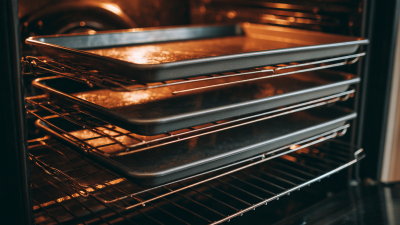
What Are the Top Types of Household Articles?
Household Articles shape the small routines that make a home work: preparing breakfast, changing the sheets, or finding a screwdriver before a loose handle gets worse. The category is broad, but it usually includes kitchenware, bedding, cleaning tools, storage products, lighting, and decorative pieces. Some items serve one clear purpose. Others, such as a sturdy basket, move from laundry to toys to pantry storage. That overlap matters.
Designer William Morris offered a useful standard for choosing things for the home: “Have nothing in your houses that you do not know to be useful, or believe to be beautiful.” His advice is not a shopping formula, and beauty can mean different things to different households. Still, it encourages a closer look at an object’s function, durability, and place in daily life. A sharp kitchen knife, washable cotton sheets, and a well-fitting doorstop may each earn their space in different ways. Details count.
This guide explores the top types of Household Articles and what each group contributes. It considers everyday usefulness, material choices, care needs, and the difference between essentials and extras. Not every home needs the same list. A compact apartment may rely on stackable containers, while a busy family may value easy-clean rugs and extra towels. Even sensible choices can miss the mark; I have kept items that looked useful but rarely left the cupboard. That is worth remembering. The aim is not to own more, but to choose household goods that suit real routines and remain useful over time.
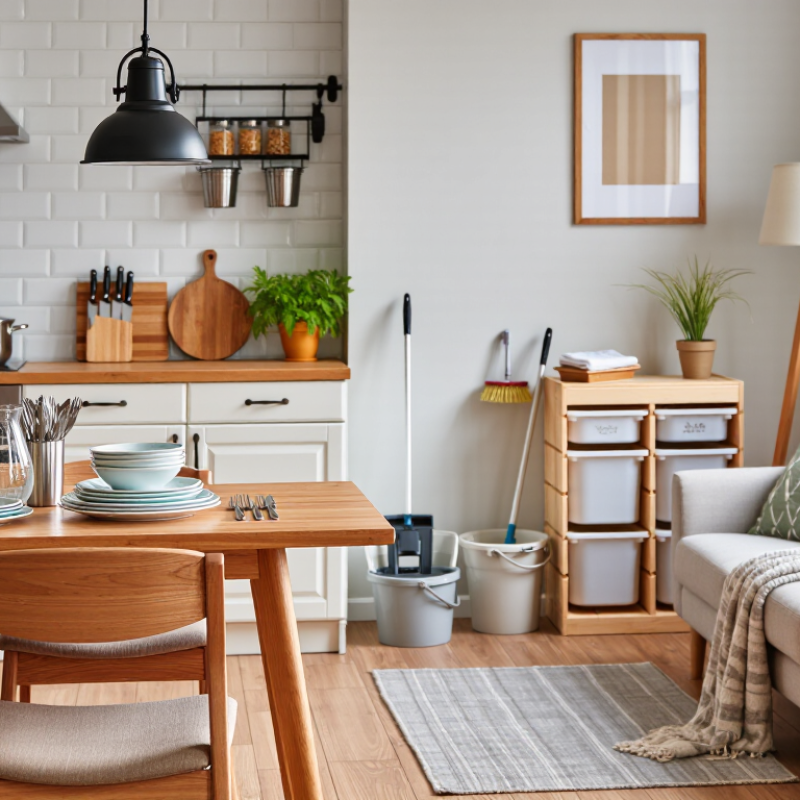
Furniture and Fixtures for Everyday Living
Furniture and fixtures make a home practical before they make it beautiful.
A dining table needs enough clearance for chairs to slide back without scraping the wall. A sofa should leave a clear path between the doorway and the kitchen. Measure the room, including door swings and radiator space, before choosing large pieces. Small details matter.
Fixtures do quiet work every day.
Ceiling lights, cabinet handles, taps, and shelves affect how easily people move through a room. Warm, layered lighting can soften a reading corner, while a focused lamp helps with close tasks. In a bathroom, a towel rail placed near the shower saves awkward steps. It is a modest improvement, but one people notice.
Materials deserve practical thought.
Wood can show dents, metal can feel cold, and pale upholstery may reveal spills quickly. Consider who uses the room and how often it needs cleaning. I sometimes favor a piece because it looks right, then realize its deep seat makes standing difficult. That judgment can be wrong. Comfort, repairability, and fit usually matter more than a dramatic first impression. A home also changes; flexible furniture can accommodate new routines without making every room feel temporary.
Kitchenware and Dining Essentials
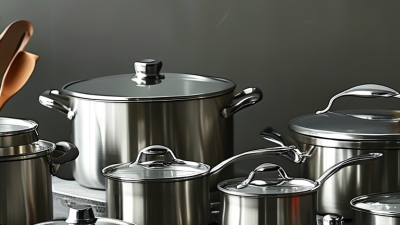
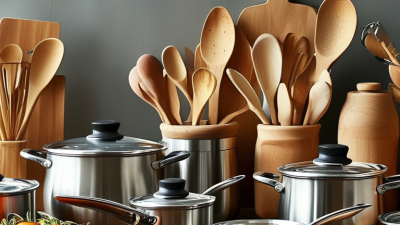
Kitchenware and dining essentials are the household articles people reach for every day. A sturdy saucepan, a sharp chef’s knife, and a heat-resistant spatula cover many basic cooking tasks. Choose pieces that feel comfortable in your hands and suit the meals you actually prepare. A heavy pot can hold heat well, but it may be awkward to lift when full. Practicality matters more than a crowded cupboard.
Tips: Keep knives dry and store them safely. Let hot cookware cool before washing, especially if it is made of glass or ceramic. Check care instructions, since materials handle heat and cleaning differently. A quick wipe of the counter helps prevent crumbs and grease from building up.
Dining essentials include plates, bowls, cutlery, and drinking glasses. Look for shapes that stack neatly and fit your shelves. Everyday dishes should be easy to carry and simple to clean. A small serving bowl can make a weeknight meal feel more considered, without adding much storage trouble. Still, matching sets are not always the best choice; mixed pieces can be useful, though they may make the table look a little uneven. Keep a few cloth napkins nearby for spills and casual meals.
Bedding, Bath, and Other Household Textiles
Household textiles affect comfort in quiet, practical ways. Bedding is often the most-used group, from fitted sheets and pillowcases to duvet covers and blankets. A sheet that feels soft in a store may feel warm or clingy overnight. Fiber, weave, room temperature, and personal preference all matter. Cotton percale often feels crisp, while brushed fabrics can feel warmer. Neither is best for everyone. Small details count: a deep mattress may need a deeper fitted sheet, and loose threads can snag during washing.
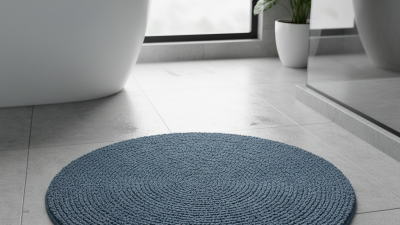
Bath textiles include towels, bath mats, and washcloths. A thick towel may feel plush, but it can take longer to dry in a humid bathroom. Check the care label, and leave room for air to circulate on the rail. Bath mats need a stable backing and regular cleaning, especially when they stay damp. It is easy to overlook the underside. That can be a mistake.
Table linens, curtains, kitchen towels, and washable cushion covers also belong in this category. Kitchen towels work better when kept separate from cloths used for other cleaning tasks. Curtains may fade near a sunny window, so rotating panels can help even out exposure. Textile care is not always tidy: colors may change, and shrinkage can happen despite careful washing. Keep those limitations in mind when choosing fabric and fit.
Cleaning and Storage Supplies
Cleaning supplies are most useful when each tool has a clear job. A soft microfiber cloth lifts dust from shelves, while a narrow brush reaches the grout around a sink. Keep a small caddy under the kitchen sink for everyday items, such as dish soap, sponges, and cleaning gloves. Check labels before using products, and never mix cleaning liquids. Simple habits matter.
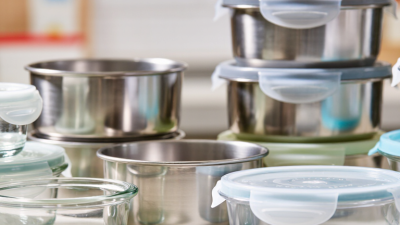
Storage supplies help keep those tools ready. A ventilated basket can hold damp cloths until they are washed, while a lidded bin keeps spare trash liners dry. Clear containers make it easier to spot low supplies, but they are not ideal for every item. Some products need their original packaging and labels. Put heavier bottles on a low shelf, away from children and pets. Measure the space before buying organizers; a container that barely fits can make daily access awkward. I still find that small piles return near busy doorways, even with a good system. That is worth noticing. A basket beside the laundry area may catch stray cloths, though it can also become a place for unrelated clutter. Check it now and then.
Common Household Appliances and Their Uses
What Are the Top Types of Household Articles?
Common Household Appliances and Their Uses
Household appliances make everyday chores more manageable. A refrigerator keeps fresh food cool and helps reduce spoilage when its door seals properly. A stove or cooktop provides steady heat for boiling water, simmering soup, or cooking a quick meal. Small details matter. Leave space around appliances for airflow, and follow the care instructions provided with each one. It is easy to overlook those basics.
A washing machine cleans clothing, while a dryer can shorten drying time on wet or cold days. A vacuum cleaner lifts dust and crumbs from floors, rugs, and upholstery. For hard floors, a broom or mop may do the job with less noise. A microwave warms leftovers quickly, though it can heat unevenly; stir food and check its temperature before serving. A dishwasher saves handwashing, but crowded racks can leave dishes dirty. Not every home needs every appliance. Available space, household size, and energy use are worth considering, and sometimes a simpler tool works better. I still find that routine cleaning is easy to postpone. Then small problems build up.