What Is a Long Bathroom Mat and How Do You Choose One?
A Long Bathroom Mat is designed to cover more floor than a standard bath mat. It can run along a double vanity, shower entrance, bathtub, or narrow bathroom walkway. This extra length creates a softer landing for wet feet and helps protect flooring from scattered water. However, longer does not always mean better. A mat that blocks a door or curls around a toilet can become a daily nuisance and a tripping risk.
Choosing one requires more than matching a color. Measure the open floor area, including door clearance and cabinet movement. Leave enough space for doors to swing freely. Consider absorbency, drying speed, backing grip, and washability. Cotton feels comfortable under bare feet, while microfiber often dries quickly. Rubber or latex backing may improve stability, but it needs proper ventilation and care. Some backing materials can damage delicate flooring if moisture remains trapped underneath.
In practical use, check the mat after a shower. Does it stay flat? Does it feel damp hours later? Can it fit inside your washing machine? These small details matter. A beautiful mat is not useful if it smells musty or shifts across tiles. Manufacturer instructions should guide washing and drying, because construction differs between products. There is no perfect choice for every bathroom. Even careful measurements can fail when fixtures are unusually shaped. This guide explains the main options, common mistakes, and sensible ways to choose a Long Bathroom Mat for your space.
What Is a Long Bathroom Mat?
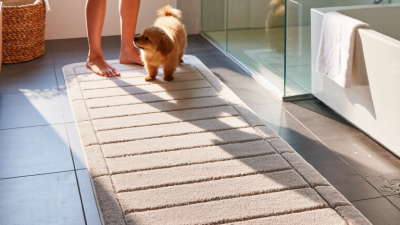
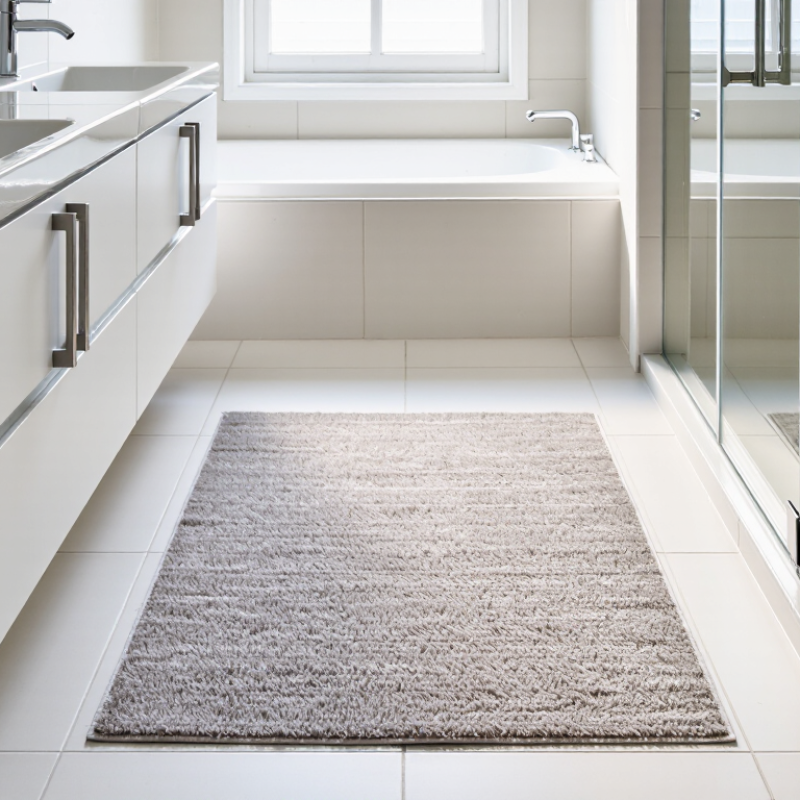
A long bathroom mat is a narrow, extended floor covering designed for larger wet areas. It usually runs beside a bathtub, shower, vanity, or double sink. Common sizes range from 20 to 24 inches wide and 40 to 72 inches long. Unlike a small bath mat, it protects more floor while creating a continuous place to step.
The global bathroom accessories market was valued at approximately USD 22.5 billion in 2023, according to Grand View Research. That growth reflects stronger interest in comfort, safety, and coordinated bathroom design. However, a longer mat is not automatically better. Measure the clear floor space first. Leave enough room for doors and drawers to open freely. A mat should also sit flat, without curling against the wall.
Choose dense microfiber for quick drying and soft footing. Cotton feels comfortable but may stay damp longer. A rubber or latex backing can reduce movement, although it may mark delicate flooring. The U.S. Consumer Product Safety Commission identifies bathroom floors as a frequent setting for household falls, so grip deserves careful attention. I once underestimated how quickly a thick mat could trap moisture underneath. That mistake still matters. Check the underside weekly, especially in poorly ventilated rooms. Look for washable construction, secure edging, and a size that fits the actual walking path rather than the imagined one.
What Materials and Features Should You Look For?
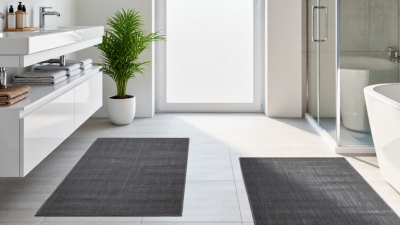
A long bathroom mat usually stretches along a double vanity, bathtub, or shower entrance. Its extended shape covers more floor than a standard bath mat. Measure the space before shopping, leaving doors and drawers enough room to open freely. I once chose a mat that looked generous online but blocked a cabinet. That mistake changed how I measure.
Material affects comfort, drying speed, and cleaning. Cotton feels soft under bare feet and absorbs water well, but it may stay damp after heavy use. Microfiber dries faster and often feels plush, though dense fibers can trap hair and dust. Natural rubber or latex backing can improve grip, but check care instructions carefully. Some materials may react poorly to heated floors or strong cleaning chemicals. A thin, quick-drying mat suits humid bathrooms better than a thick, decorative one.
Look for a genuinely nonslip backing, not just a textured surface. Test whether the mat lies flat, especially around stitched edges. Low pile reduces tripping and allows bathroom doors to clear the mat. Machine-washable construction is practical, but inspect the label for water temperature and drying limits. A removable backing helps cleaning, although it can curl after repeated washing. Absorbency matters, yet excessive thickness may delay drying and encourage odors. Choose a washable design with secure seams, balanced weight, and dimensions suited to your daily traffic.
How Do You Choose the Right Size and Shape?
What Is a Long Bathroom Mat and How Do You Choose One?
A long bathroom mat usually runs beside a bathtub, double vanity, or shower area. Its extended shape protects more floor from splashes and wet feet. Measure the available floor space, not the bathtub itself. Leave enough clearance for doors, drawers, and cabinet edges. A mat that looks generous online may feel cramped in a narrow bathroom.
For size, keep several inches of visible flooring around the mat when possible. This border helps the room look balanced and allows easier cleaning. Measure from the shower exit to the vanity, then check the mat’s exact length. For shape, choose a straight rectangle beside long fixtures. A rounded or contoured edge can work near curved tubs. Avoid unusual shapes if they create exposed corners or folding points. I once measured only the floor length and forgot the door swing. That small mistake made the mat inconvenient every morning.
Tips: Place a washable, absorbent mat where feet land first. Check its backing for reliable grip, especially on smooth tile. Do not cover floor drains or force the mat against a wall. Test the mat after opening the door and standing at the sink. If the edges curl, return it or allow it to flatten safely. A thinner mat may be better for doors, while a thicker one feels softer underfoot. Consider cleaning habits, too. A beautiful mat becomes a poor choice if it cannot dry quickly.
How Do You Clean and Maintain a Long Bathroom Mat?
A long bathroom mat collects more moisture than a small mat, especially beside a bathtub or double vanity. Cleaning it regularly prevents odors, flattened fibers, and slippery residue. Check the care label before washing, because cotton, microfiber, and rubber-backed mats need different treatment.
Shake the mat outdoors to remove loose hair and dust. Vacuuming also works on a low setting. For washable fabric mats, use cool or warm water and a mild detergent. Avoid excessive detergent; it can remain trapped in dense fibers.
Wash the mat separately when possible, then rinse it thoroughly. I once used too much soap, and the mat felt sticky after drying. That mistake showed me that cleaner does not always mean cleaner.
Dry the mat completely before placing it back on the floor. Hang it over a wide rail, or lay it flat in a ventilated area. Do not fold a damp mat, since hidden moisture can encourage mildew. Rubber-backed mats may crack under high heat, so air-drying is safer. Inspect the backing every few weeks for peeling, brittleness, or curled edges. Replace the mat if it no longer lies flat. A loose corner can cause a fall. Wipe the bathroom floor underneath, too. The mat cannot stay fresh when moisture remains trapped below it.