What are Lobster Plates and How to Choose the Best Ones?
Lobster Plates are essential for seafood lovers. These specialized dishes enhance the dining experience, especially when enjoying lobster. With various styles and materials available, choosing the right Lobster Plates can be challenging.
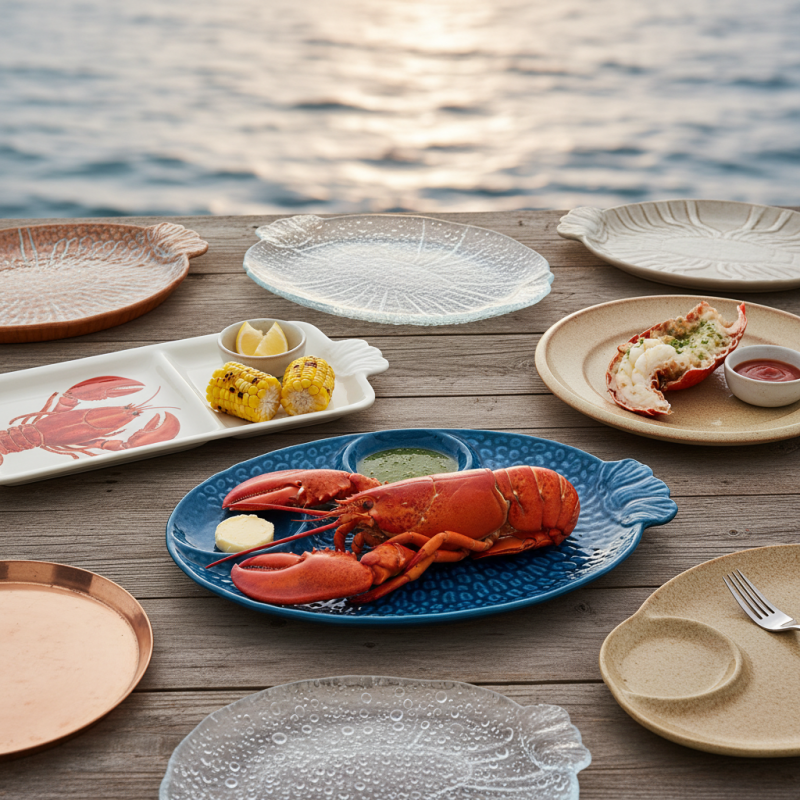
A well-designed plate not only presents the food beautifully but also makes it easier to eat. Look for plate sizes that accommodate whole lobsters. Shapes can vary, impacting usability and aesthetics. Some plates come with compartments for sauces and sides, offering convenience.
With so many options, it’s easy to feel overwhelmed. Remember, the best Lobster Plates combine functionality and elegance. Reflect on your dining needs, as every detail counts. Choosing wisely can elevate your seafood experience significantly.
What Are Lobster Plates: Definition and Purpose Explained
Lobster plates are specially designed dishes tailored for serving lobster. They often feature compartments to hold the lobster, its accompanying sides, and any essential tools. The purpose of these plates goes beyond mere presentation. They make it easier to enjoy the crustacean without the mess of shells and sauce.
Choosing the right lobster plate involves considering both functionality and aesthetics. A good plate should fit the size of the lobster while allowing enough space for tools like crackers and picks. Look for plates that are durable and easy to clean, as lobster can leave behind tough residues. Also, consider the design. Some plates offer themed aesthetics that elevate the dining experience, while others focus on simplicity.
While many enjoy using lobster plates, you may question if they are necessary. A regular plate can work, but you might find it less enjoyable. The right dish can enhance your lobster-eating experience, making it more fun and flavorful. Reflect on how often you indulge in seafood and whether investing in a lobster plate is worth it for you.
Lobster Plate Types and Their Popularity
Key Features of Lobster Plates That Enhance Dining Experience
Lobster plates are more than just dinnerware; they enhance the dining experience significantly. Choosing the best lobster plates involves understanding key features that elevate both presentation and functionality. A well-designed lobster plate typically features deep wells to contain juices and shells, ensuring a tidy meal. Their unique contours can support the lobster’s form while adding an elegant touch to your table setting.
For an ideal dining experience, consider plates made from durable materials like porcelain or stoneware. These options resist staining and retain heat, keeping your lobster warm throughout the meal. A vibrant color or artistic design can also complement the rich hues of the lobster, making each dish visually appealing.
Tips for selecting the right lobster plate include assessing size. Plates should be spacious enough for the lobster and accompaniments without feeling cramped. Look for products that can be easily cleaned, ensuring they remain elegant after many uses. Lastly, a non-slip base can prevent accidental spills, enhancing the overall enjoyment of your meal.
What are Lobster Plates and How to Choose the Best Ones? - Key Features of Lobster Plates That Enhance Dining Experience
| Feature |
Description |
Material |
Ideal Use |
| Size |
Large enough to accommodate a whole lobster and side items |
Ceramic |
Dining with family or large gatherings |
| Design |
Elegant designs with lobster motifs enhance the dining experience |
Porcelain |
Formal dining or special occasions |
| Durability |
Should withstand heat and be chip resistant |
Stoneware |
Regular use without fear of damage |
| Ease of Cleaning |
Non-stick surfaces make cleaning effortless |
Melamine |
Casual dining and outdoor events |
Materials Used in Lobster Plates: A Comparative Analysis
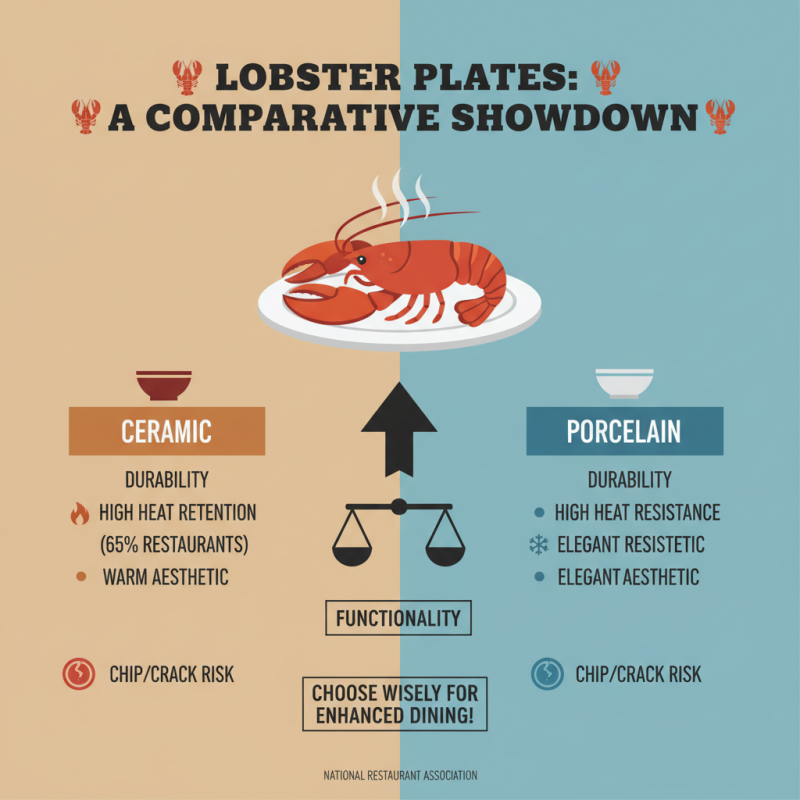
When selecting lobster plates, the material plays a crucial role in both functionality and aesthetics. Ceramic and porcelain are popular choices. They offer durability and can withstand high temperatures. A report by the National Restaurant Association highlights that nearly 65% of restaurants favor ceramic for its ability to retain heat, enhancing the dining experience. However, these materials can chip or crack if not handled with care.
Plastic lobster plates are lightweight and often used in casual settings. They are less expensive but can be less visually appealing. A survey conducted by Food Service Equipment Reports indicates that about 40% of consumers prefer reusable materials over single-use plastics. In contrast, stainless steel plates offer a robust alternative. They are resistant to scratches and can be easily sanitized. However, they may not be as aesthetically pleasing as other materials.
Choosing the right lobster plate depends on your needs. Consider the occasion and the dining environment. If elegance is paramount, porcelain may be the best choice. If durability and ease of cleaning are more important, stainless steel could be suitable. Each option has its pros and cons. Understanding these materials helps in making a well-informed decision.
Choosing the Right Size and Shape: A Guide to Lobster Plates
Choosing the right size and shape of lobster plates is crucial for an enjoyable dining experience. The best lobster plates often feature deep wells to accommodate the juices and shells. This design prevents spills and keeps the table clean. A round plate can enhance presentation, while square options may add a modern touch.
Consider the number of lobsters you typically serve. Smaller, personal plates may suit intimate gatherings. For larger events, opt for more extensive surfaces. Look for plates with a raised edge. This feature keeps the contents contained while also adding elegance to the table setting.
Color also plays a role. Bright colors can make the dish pop, but neutral tones can emphasize the lobster's natural hues. Be mindful of microwave and dishwasher safety. Some materials are more durable than others. Keep in mind that certain shapes may stack better for storage. Finally, nobody wants a chipped plate when hosting. Select high-quality materials that can withstand heavy use.
Industry Trends: What's New in Lobster Plate Designs for 2023
The lobster plate market is evolving in 2023, reflecting consumer preferences for sustainability and aesthetic appeal. Designers are now focusing on eco-friendly materials. This shift aligns with global trends towards reducing plastic use. Bamboo, recycled glass, and even biodegradable substances are gaining popularity. These materials offer durability while being kind to the environment.
Lobster plates this year also showcase vibrant colors and unique patterns. Tablescapes are transforming into artistic displays, enhancing the dining experience. More chefs seek customized plates that express their culinary vision. This trend leans into individuality, encouraging restaurants to break away from traditional designs. While some may find this overwhelming, it also invites creativity in presentation.
Choosing the right lobster plate can be challenging. Look for options that balance beauty and functionality. Consider size and shape, as they significantly affect plate presentation. Plates should be spacious enough to accommodate lobsters without overcrowding. However, it’s crucial to ensure they fit your serving style. Ultimately, the best plate reflects personal taste and elevates the dining experience.