Leave Your Message
Choosing a Dining Ware Set manufacturer in China involves more than comparing quotations. Buyers must consider material consistency, production capacity, decoration quality, packaging, and communication during sampling and bulk production. A glossy plate can look impressive under showroom lights, yet its rim thickness, glaze finish, and stackability matter in daily use. Details matter.
This guide introduces ten manufacturers for buyers exploring China’s dining ware industry. It offers a practical starting point for comparing product ranges, customization options, manufacturing capabilities, and service support. When reviewing a supplier, ask for clear specifications, recent product samples, stated lead times, and packaging details. These checks can reveal useful differences before a purchase decision is made. Still, a shortlist cannot confirm every detail; even a polished sample may not show how a large production run will vary.
Consider where and how the set will be used. A hotel may need durable pieces that stack neatly, while a homeware brand may care more about color matching and distinctive shapes. Confirm measurements, materials, finish, and order requirements directly with each manufacturer. Photos and catalog descriptions can leave questions unanswered. Some comparisons will remain imperfect, especially when suppliers present information differently. That is worth acknowledging. Careful questions, documented specifications, and consistent sample reviews help buyers make a more informed choice.
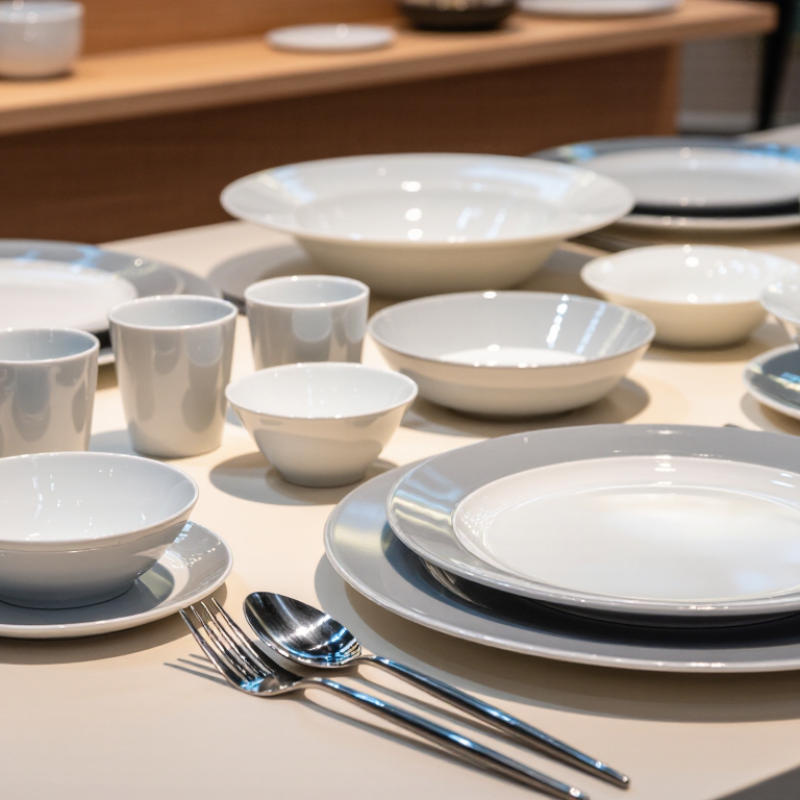
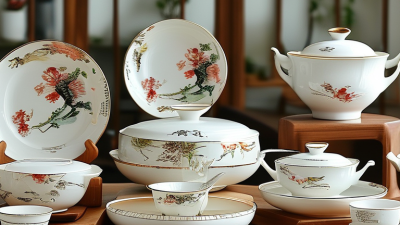
China’s dining-ware sector includes porcelain, fine china, stoneware, and other daily-use ceramic products. Sets may contain dinner plates, bowls, cups, saucers, and serving dishes. Their appearance can hide practical differences. A heavy stoneware bowl may suit everyday meals, while thin porcelain needs careful handling. Check how rims, foot rings, lids, and handles are finished; small defects often appear there.
GB/T 3532 is a key national standard for daily-use ceramic ware. It sets product requirements and provides test and inspection provisions within its stated scope. Buyers should confirm the current edition and whether the standard covers the specific product being sourced. It does not automatically establish compliance for glass, metal, or other non-ceramic pieces in a mixed set. For food-contact assessment, applicable mandatory food-safety requirements also need review. One standard is not the whole file.
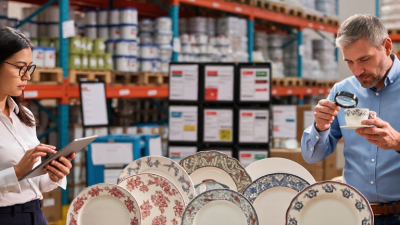
For manufacturer comparisons, request test reports linked to the actual product and glaze, rather than relying on a general factory certificate. Ask how production batches are identified and how chipped rims or uneven glaze are handled during inspection. Details matter. Yet paperwork can still miss variation between kiln loads, so sample checks remain useful. A sensible review combines documents with close inspection of the finished ware.
Product-category and standards overview; this table does not rank or identify manufacturers or brands.
| No. | Dining-Ware Category | Typical Materials | Common Set Items | Relevant Standards Context | Key Considerations |
|---|---|---|---|---|---|
| 1 | Porcelain tableware | Fired ceramic body with a glazed surface | Dinner plates, bowls, cups, saucers and serving dishes | GB/T 3532-2022 covers ceramic tableware; GB 4806.4 covers ceramic food-contact materials and articles. | Check the product’s applicable requirements, including appearance, physical performance and food-contact safety. |
| 2 | Stoneware tableware | High-fired ceramic body, usually glazed | Plates, bowls, mugs and serving pieces | GB/T 3532-2022 applies to ceramic tableware; GB 4806.4 is relevant to ceramic food-contact safety. | Confirm that intended food-contact surfaces and any decoration comply with applicable requirements. |
| 3 | Earthenware tableware | Lower-fired porous ceramic, commonly glazed | Bowls, plates, mugs and decorative serving items | For products within scope, GB/T 3532-2022 and GB 4806.4 are relevant ceramic standards. | Glaze condition, intended use and food-contact compliance should be checked; suitability for heating varies by product. |
| 4 | Bone china tableware | Ceramic body formulated with bone ash, typically glazed | Plates, tea cups, saucers and serving dishes | GB/T 3532-2022 concerns ceramic tableware; GB 4806.4 addresses ceramic food-contact safety. | Composition and performance depend on the product; verify food-contact documentation and care instructions. |
| 5 | Glass tableware | Food-contact glass, including varieties designed for heat resistance | Drinking glasses, bowls, plates and serving dishes | GB 4806.5 covers glass food-contact materials and articles; GB/T 3532 is a ceramic standard, not a glassware standard. | Heat resistance depends on the specific glass product; avoid assuming all glassware is suitable for thermal shock. |
| 6 | Stainless-steel tableware | Food-contact stainless steel and, in some products, other metal components | Plates, bowls, cups, cutlery and serving trays | GB 4806.9 covers metal food-contact materials and articles; GB/T 3532 does not apply to metalware. | Check material identification, intended food-contact use and care instructions, especially for products with mixed materials. |
| 7 | Plastic tableware | Food-contact thermoplastics, such as polypropylene, depending on the product | Bowls, plates, cups, lunch containers and serving utensils | GB 4806.7 covers plastic food-contact materials and articles; GB/T 3532 does not apply to plasticware. | Use temperature and microwave suitability are product-specific; follow the manufacturer’s instructions. |
| 8 | Enamel tableware | Metal base coated with a vitreous enamel layer | Plates, bowls, mugs and serving trays | GB 4806.3 covers enamel food-contact materials and articles; GB/T 3532 is specific to ceramic tableware. | Inspect the enamel surface for chips or damage and follow product-specific heating and care instructions. |
| 9 | Wood and bamboo tableware | Wood or bamboo, sometimes with surface treatments or coatings | Serving boards, bowls, trays and utensils | GB 4806.12 covers bamboo and wood food-contact materials and articles; GB/T 3532 does not apply to these products. | Check coatings, intended use and care instructions; wood and bamboo products generally require product-specific cleaning and drying. |
| 10 | Coated-metal tableware | Metal substrate with a food-contact coating, such as a non-stick coating | Serving trays, plates, bowls and selected cookware-style items | GB 4806.10 covers food-contact paints and coatings; metal substrates may also be subject to relevant metal-material requirements. | Applicable requirements depend on the substrate, coating and intended use; avoid using products with a damaged food-contact coating. |
Standards note: GB/T 3532-2022 is a product standard for ceramic tableware, not a general standard for every dining-ware material. Confirm the current edition, scope and applicable food-contact requirements for each specific product.