follow us :
FUJIAN JIASHUN ARTS & CRAFTS CORP., LTD.

search

Leave Your Message

How to Decorate a Bookshelf?

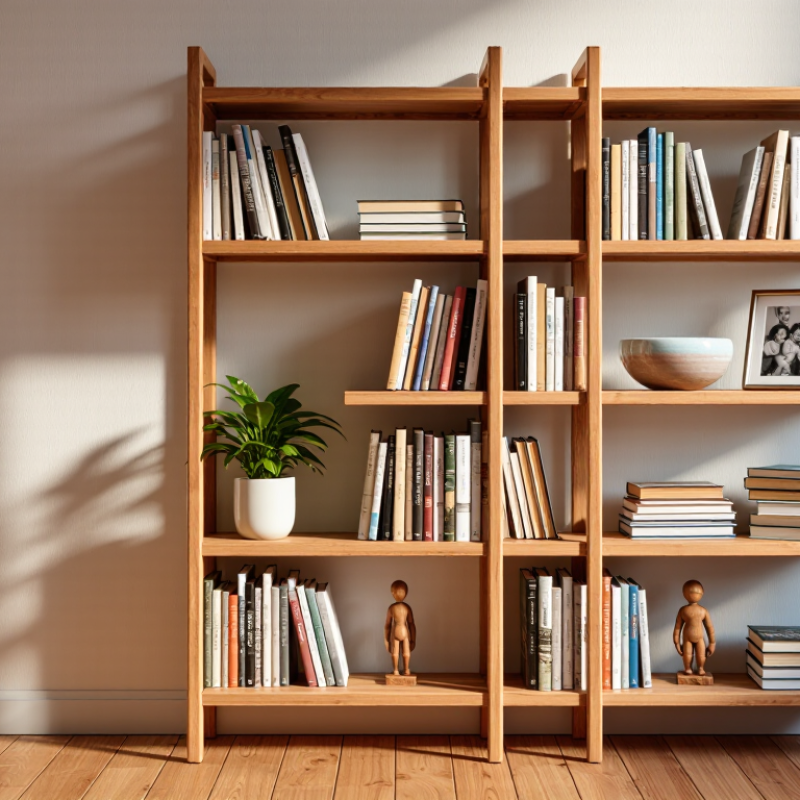
A bookshelf is more than storage; it is a small, visible record of what you read and value. Bookshelf Decor works best when it balances practical access with personal character. Start with the books you reach for often, then add a few objects with meaning: a framed photograph, a ceramic bowl, or a small plant. Keep the details believable. A shelf that looks too perfect can feel oddly untouched.

Home projects also compete for real budgets. The 2024 U.S. Houzz & Home Study reported a $24,000 median spend on home renovations in 2023, up 60% from 2020. That figure covers broader renovations, not bookshelf styling, but it shows why modest updates can be appealing. Rearranging books, grouping items by height, or adding one warm accent can refresh a room without a major project. Leave some breathing room. It helps each object stand out.

This guide explains how to decorate a bookshelf with proportion, color, and everyday use in mind. Begin with a clear surface, then build the display in layers: books first, larger pieces next, and smaller accents last. Check the shelf from across the room, and adjust anything that feels crowded. There is no single perfect formula. Your collection may be uneven, and that is fine. A useful shelf should still make it easy to find the book you came for.
How to Decorate a Bookshelf?

Assess the Bookshelf and Plan Its Purpose

Assess the bookshelf before choosing objects. Decide whether it will mainly hold novels, reference books, family photos, or a mix.

Pew Research Center’s 2021 survey found that 75% of U.S. adults had read a book in the previous year, including 65% who read print books. If books are your priority, reserve most shelf space for them and keep frequently used titles within easy reach.

Start with use.

Measure the shelf’s height, width, and depth, then estimate how many books it needs to hold. Group books by size or subject and test the arrangement before adding decorative pieces.

Place heavier volumes on lower shelves, and leave a little open space so titles are easy to remove. A neat plan can look stiff in a real room; adjust it as your collection changes.

Tips

Put a few books horizontally to create a low platform for a small object. Keep fragile or frequently handled items away from crowded edges. Don’t fill every gap; empty space is useful.

Clear, Clean, and Prepare the Shelves

Before decorating, remove every book, frame, and small object from the shelves. Clear them completely. This gives you room to spot dust rings, loose screws, and scratches hidden behind decorations. Set books upright in a box or stack them flat, with heavier volumes at the bottom. I sometimes want to skip this part, but moving items one by one while cleaning usually takes longer. It also makes it easy to miss the dusty corners.

Wipe from the top shelf down, so falling dust does not land on clean surfaces. Use a soft cloth and a small amount of water only if the shelf’s finish can tolerate it; never leave standing moisture on wood. A clean, dry brush works well around shelf-pin holes and carved edges. Let each shelf dry fully. Let it dry. Check the supports and tighten any loose fittings before putting anything back. If a shelf bows under a row of heavy books, reduce the load rather than hoping the sag will disappear. Measure the shelf depth, too; I once returned objects to a shelf without noticing a small spill at the back. A quick final inspection catches the details that make decorating easier.

How to Decorate a Bookshelf? — Clear, Clean, and Prepare the Shelves

Estimated minutes for a typical bookshelf-preparation session. Clear the shelves first, clean and dry the surfaces, then sort items before decorating.

Arrange Books by Size, Subject, or Color

Arrange books around how you use them, then refine the look. Pew Research Center’s 2021 survey found that 65% of U.S. adults had read a print book in the previous year. That makes everyday access a sensible starting point: keep current reads and frequently used references near eye level, not hidden behind decorative objects. Leave breathing room.

Grouping by subject works well when a shelf serves several purposes. Put cookbooks together near the kitchen, for example, and keep travel guides or novels in separate sections. Use small clusters rather than rigid rows: a few tall hardcovers can anchor one end, while shorter paperbacks sit beside them. This makes browsing easier and gives the arrangement a natural rhythm. It may still look a little uneven. That is not always a problem.

If color matters more than quick searching, arrange spines from light to dark or build a gentle sequence of warm and cool tones. Avoid forcing every book into a perfect gradient; spine colors vary, and some titles become harder to find. A practical compromise is to group by subject first, then order each group by height or color. Step back, check whether labels remain visible, and adjust one section at a time. The first arrangement may not be the best one.

How to Decorate a Bookshelf? — Arrange Books by Size, Subject, or Color

Arrangement Method How to Arrange Visual Effect Works Well For Practical Tip
By Size Group books of similar heights together. Keep tall books at the ends or on shelves with enough clearance, and place shorter books in smaller spaces. Neat, balanced rows with a consistent outline. Small shelves, collections with varied book heights, and tidy-looking displays. Measure the shelf opening before placing oversized books. Leave a little room so books can be removed without scraping the shelf above.
By Subject Keep related books together, such as fiction, history, cookbooks, or travel guides. Add simple labels if the collection is large. Organized and easy to browse. Frequently used books, home libraries, and collections shared by several people. Choose broad categories that are easy to remember; too many small groups can make the shelf harder to use.
By Color Arrange books by the main color on their spines, moving through a chosen sequence or grouping similar shades together. Decorative and visually coordinated. Display shelves where appearance is a priority. Color grouping can make a particular title harder to find, so use it for books you do not need to locate quickly.
Upright with Horizontal Stacks Stand most books upright and place a few horizontal stacks between groups or at the ends of a shelf. Varied and relaxed, with changes in height and direction. Mixed collections and shelves that need a little visual variety. Keep stacks low and stable. Avoid putting heavy piles on top of delicate books.
Hybrid Arrangement Group books by subject first, then arrange each group by size or a limited color palette. Personalized while remaining practical to browse. Collections where both easy access and a coordinated look matter. Repeat the same organizing rule across the shelf so the overall arrangement feels intentional.

Add Decorative Objects and Natural Elements

Treat a bookshelf like a small landscape, not a storage row. The U.S. Environmental Protection Agency estimates that people spend about 90% of their time indoors, making natural textures a thoughtful way to soften a room. A leafy plant, a few smooth stones, or a slender branch in a simple vase can add contrast to book spines. Keep plant pots stable and use a saucer to protect the shelf. Choose objects that suit the light and your care routine; a dried stem works well where a living plant would struggle. Keep it restrained.

Vary the heights, but leave some breathing room. Stack two or three books horizontally, then place a small ceramic bowl on top. Set a trailing plant near an outer edge, away from paper and electrical cords. A framed photograph can lean against the back panel, rather than crowding every shelf with frames. Houzz’s 2024 U.S. Houzz & Home Study reported that 54% of homeowners renovated in 2023; a bookshelf refresh can offer a smaller change without a room remodel. Still, a perfectly balanced shelf may feel oddly staged. Try one asymmetrical grouping, then remove an object if the display feels busy. Less, but warmer.

Balance the Display and Refine the Layout

How to Decorate a Bookshelf?

A balanced bookshelf feels collected, not crowded. Start by removing everything and sorting books by height, color, or subject. Choose one approach, then break it gently: a few horizontal books can soften rows of upright spines. Place heavier volumes on lower shelves, where they feel grounded. Leave open space around a small ceramic bowl or framed photograph. That breathing room matters. If every shelf is full, the display can feel more like storage than a considered part of the room.

Refine the layout by spreading visual weight across the whole bookcase. A tall vase on one side can be balanced by a low stack of books on the other. Repeat a few colors or materials, but vary shapes and heights to avoid a showroom effect. The National Association of Realtors’ 2023 Profile of Home Staging found that 81% of buyers’ agents said staging helped buyers visualize a property as their future home. That finding concerns staging broadly, not bookshelves specifically, but it supports the value of clear, readable rooms. In practice, a shelf may still look slightly uneven. Pause before correcting it; a little asymmetry can feel more personal.

Tips: Step back across the room and check the display at eye level. Remove one item if a shelf feels busy. Keep everyday books within easy reach, and rotate objects when the arrangement starts to feel stale.